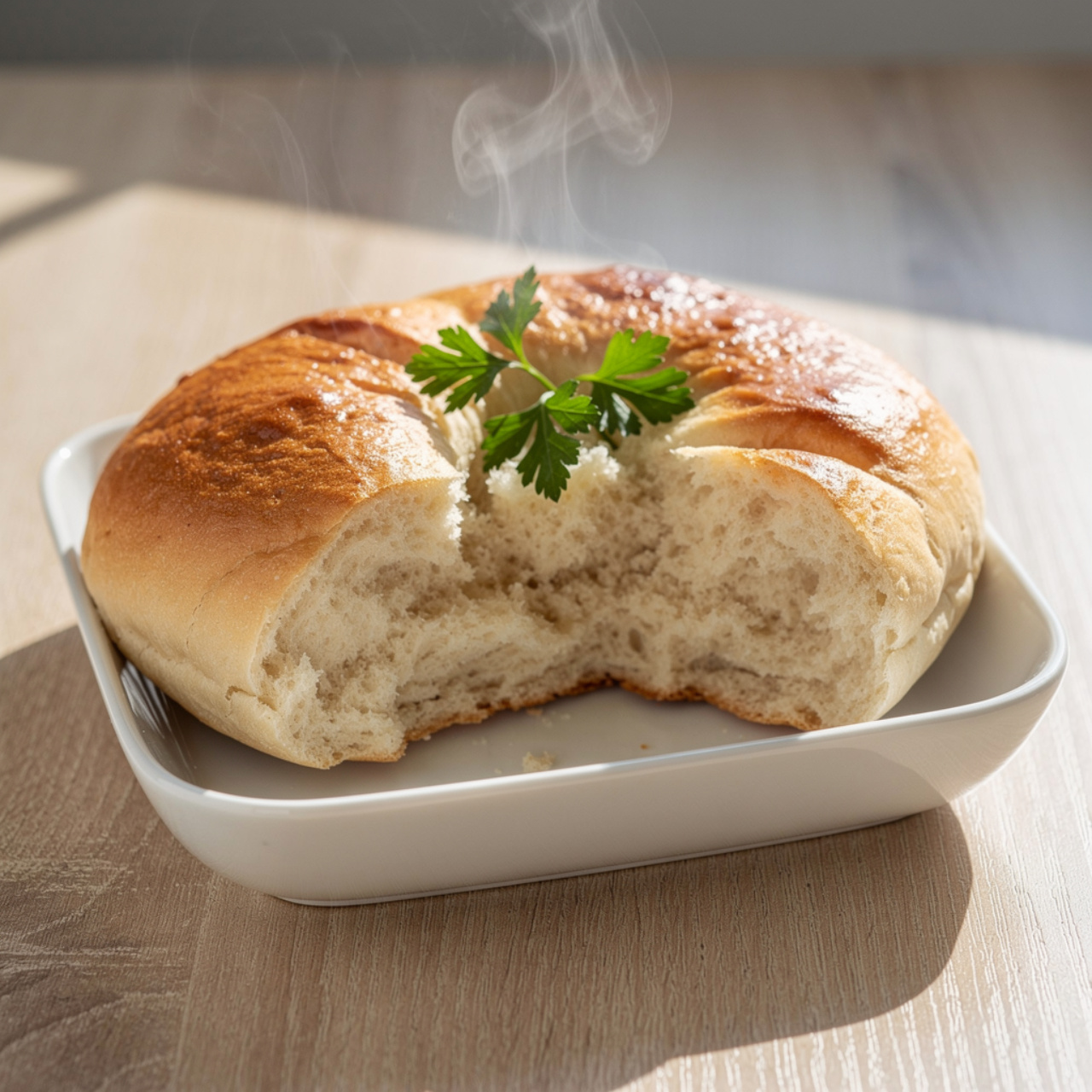
Turkish Bread (Ramazan Pidesi) – Soft, Chewy, and Incredibly Easy
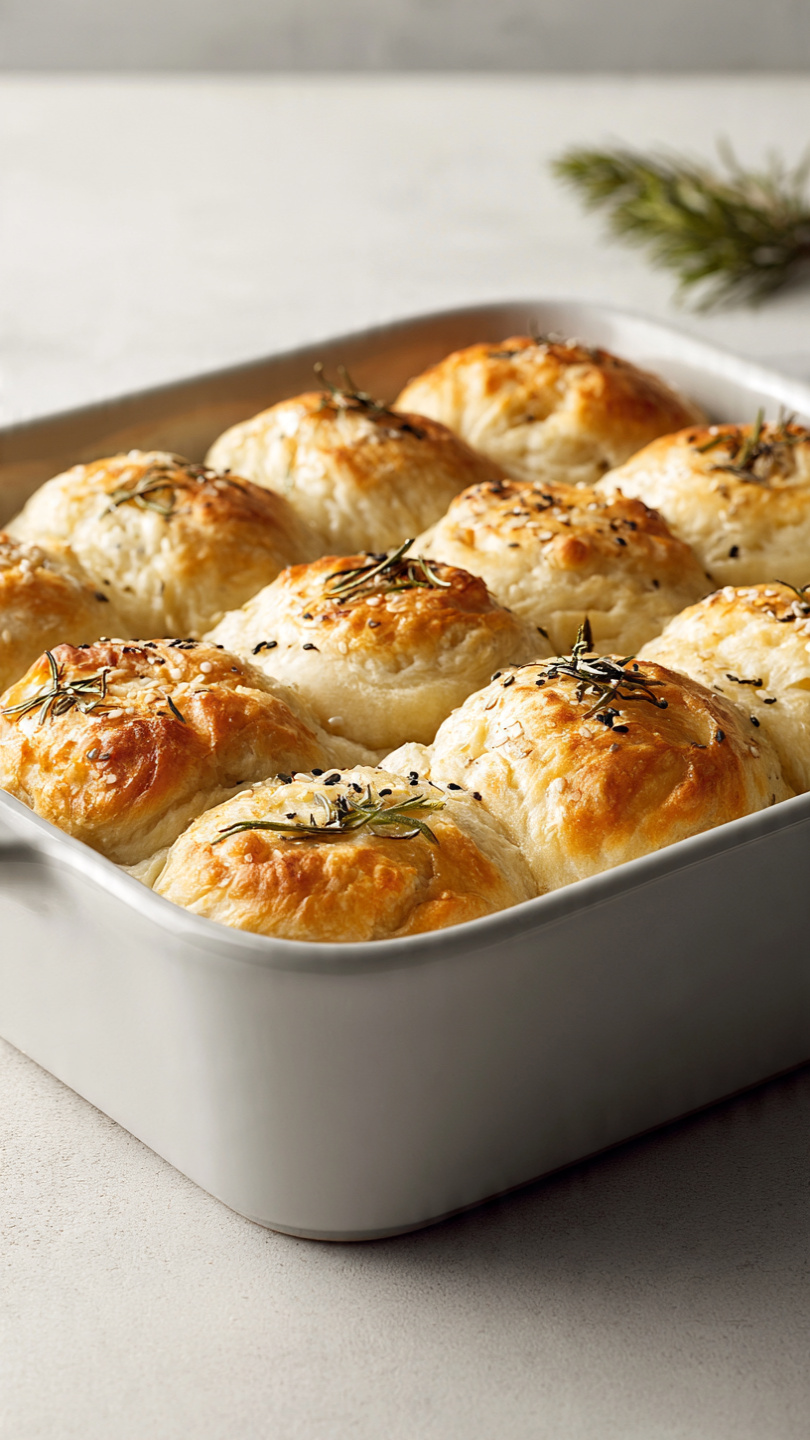
This homemade Turkish bread is golden, pillowy, and dotted with sesame seeds — a stunning Middle Eastern flatbread you can pull off in under an hour with pantry staples.

The Bread That Turns Any Meal Into a Feast
If you have never made Turkish bread at home before, let me tell you upfront: this is one of the most rewarding things you can do with a bag of flour and a little patience. Golden and slightly crisp on the outside, soft and chewy within, scattered with sesame seeds and the faintly peppery pop of nigella seeds, this bread is the kind of thing people tear into before it even hits the table.
Known in Turkey as ramazan pidesi, this is one of the most iconic Middle Eastern breads you will ever taste. It is traditionally baked during Ramadan, but honestly, once you make it, it becomes a random recipe you will want to try every single week.
Using good-quality flour and a reliable instant yeast really does make the difference between bread that rises beautifully and bread that sits flat. A pizza stone or a properly preheated heavy baking sheet will also give you that crisp, bakery-style bottom crust.
Why This Recipe Works
The secret to this bread's incredible texture is twofold. First, yogurt. A small amount of plain whole-milk yogurt is stirred right into the dough, adding just enough fat and acidity to create a tender, chewy crumb that stays soft longer than most homemade breads. Second, heat. Baking on a preheated surface at high temperature mimics a traditional stone oven, giving the bread that beautiful blistered bottom and a fast, dramatic oven spring.
Chef's Tip: Do not skip the dimpling step. Pressing your fingertips firmly into the shaped dough before baking is not just decorative. It prevents the bread from puffing up unevenly and helps those beautiful seed toppings actually stay put.
What Kind of Bread Is This, Really?
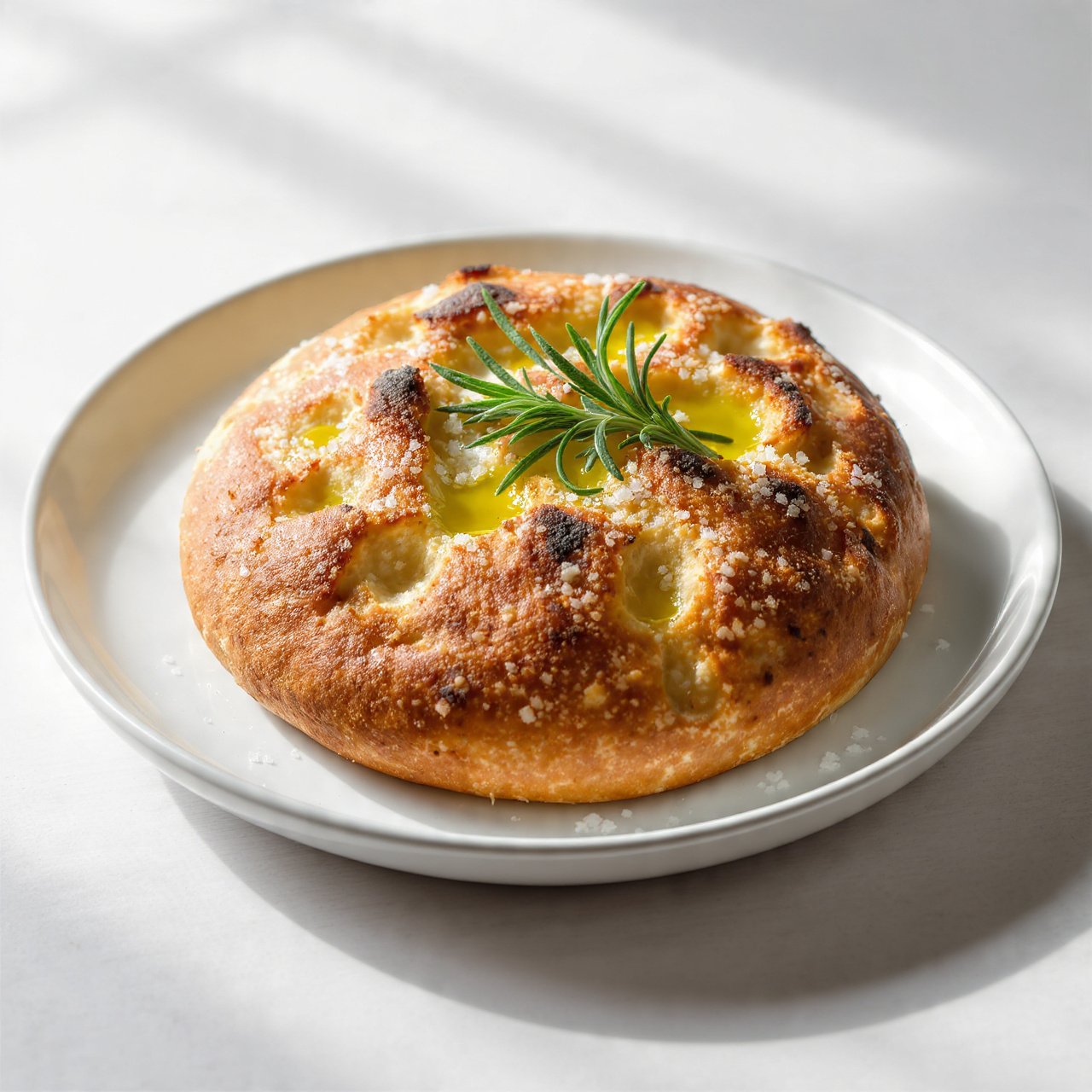
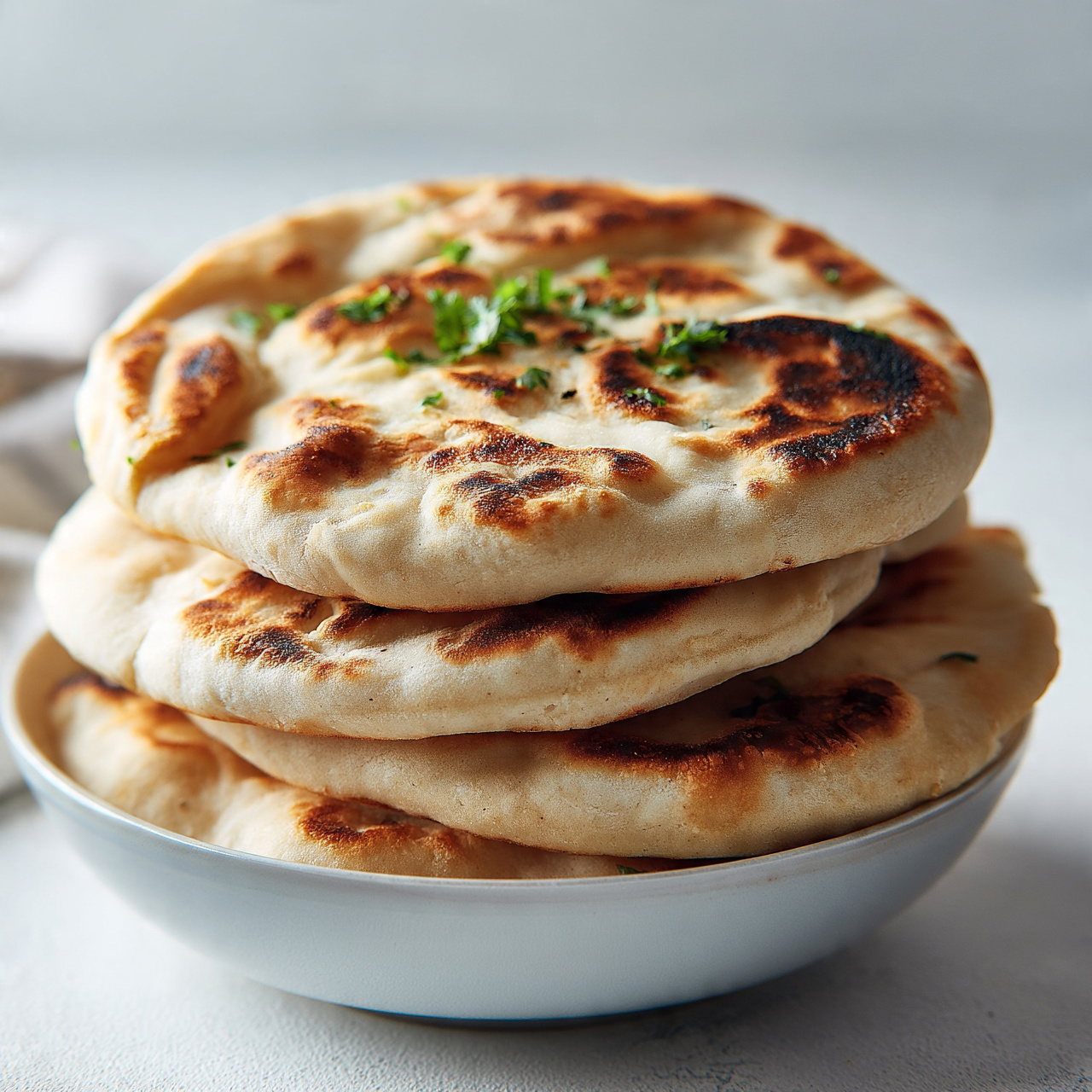
Among the different kinds of bread recipes in the world, Turkish pide sits in a special category: it is a leavened flatbread, somewhere between a focaccia and a naan. It is thicker and chewier than pita, more rustic than lavash, and far more satisfying than store-bought sandwich bread. It is precisely the kind of easy, delicious bread that makes you wonder why you ever bought a loaf from the supermarket.
It is also endlessly versatile. Need crusty bread for stew? This is it. Want something to scoop up dips at a dinner party? This is it. Looking for different kinds of dinners to shake up your weeknight routine? Serve this warm with a pot of lentil soup and watch everyone go quiet in the best way.
What Can I Make With Flour? Start Here.
If you have been asking yourself what can I make with flour and feeling stuck on the usual suspects, this recipe is your answer. The ingredient list is short and honest: flour, yeast, yogurt, a little olive oil, salt, and water. Nothing complicated, nothing you need to hunt down. Just pantry staples transformed into something genuinely special.
Bold, seed-studded, and deeply golden, this bread holds its own at any table.
Ready to bake? Here is everything you need:
Turkish Bread (Ramazan Pidesi) – Soft, Chewy, and Incredibly Easy
This homemade Turkish bread is golden, pillowy, and dotted with sesame seeds — a stunning Middle Eastern flatbread you can pull off in under an hour with pantry staples.
Ingredients
- 3 1/2 cups all-purpose flour, plus more for dusting
- 2 1/4 tsp instant yeast, one standard packet
- 1 1/4 cups warm water, about 110 degrees F, not boiling
- 1/4 cup plain whole-milk yogurt, room temperature, Greek yogurt also works
- 2 tbsp olive oil, extra virgin
- 1 tsp sugar, feeds the yeast
- 1 1/2 tsp salt
- 1 large egg, beaten, for egg wash
- 2 tbsp sesame seeds, white or a mix of white and black
- 1 tsp nigella seeds, optional but traditional
Instruction
In a large mixing bowl, combine the warm water, sugar, and instant yeast. Stir gently and let it sit for 5 minutes until slightly foamy.
Add the yogurt, olive oil, and salt to the yeast mixture and stir to combine.
Add the flour one cup at a time, mixing with a wooden spoon or your hands until a shaggy dough forms.
Turn the dough out onto a lightly floured surface and knead for 8 to 10 minutes until smooth, soft, and slightly tacky but not sticky. Add flour one tablespoon at a time only if the dough is sticking badly.
Shape the dough into a ball, place it in a lightly oiled bowl, and cover with a clean kitchen towel or plastic wrap. Let it rise in a warm spot for 45 to 60 minutes until doubled in size.
Preheat your oven to 450 degrees F (230 degrees C). Place a baking sheet or pizza stone inside to heat up as the oven preheats.
Punch down the dough and divide it into 2 equal portions. On a lightly floured surface, shape each portion into an oval roughly 10 inches long and 6 inches wide, about 0.5 inches thick.
Carefully transfer the shaped dough onto parchment paper. Use your fingertips to dimple the surface deeply in a crosshatch or grid pattern, pressing almost but not quite through the dough.
Brush generously with the beaten egg wash. Sprinkle sesame seeds and nigella seeds evenly over the top.
Slide the parchment onto the preheated baking sheet or stone. Bake for 18 to 22 minutes until deeply golden on top and the bottom sounds hollow when tapped.
Remove from the oven and cover loosely with a clean towel for 5 minutes to soften the crust slightly before serving.
Equipment
- Large mixing bowl
- Baking sheet or pizza stone
- Parchment paper
- Pastry brush
- Kitchen towel or plastic wrap
- Stand mixer with dough hook (optional)
Notes
Serving, Storing, and Making It Your Own
Serve this bread warm, always. Tear it at the table, pass it around, and do not be surprised if it disappears before the main course arrives.
For storing, wrap leftovers in a clean towel and keep at room temperature. A quick five minutes in a warm oven the next day brings it almost entirely back to life.
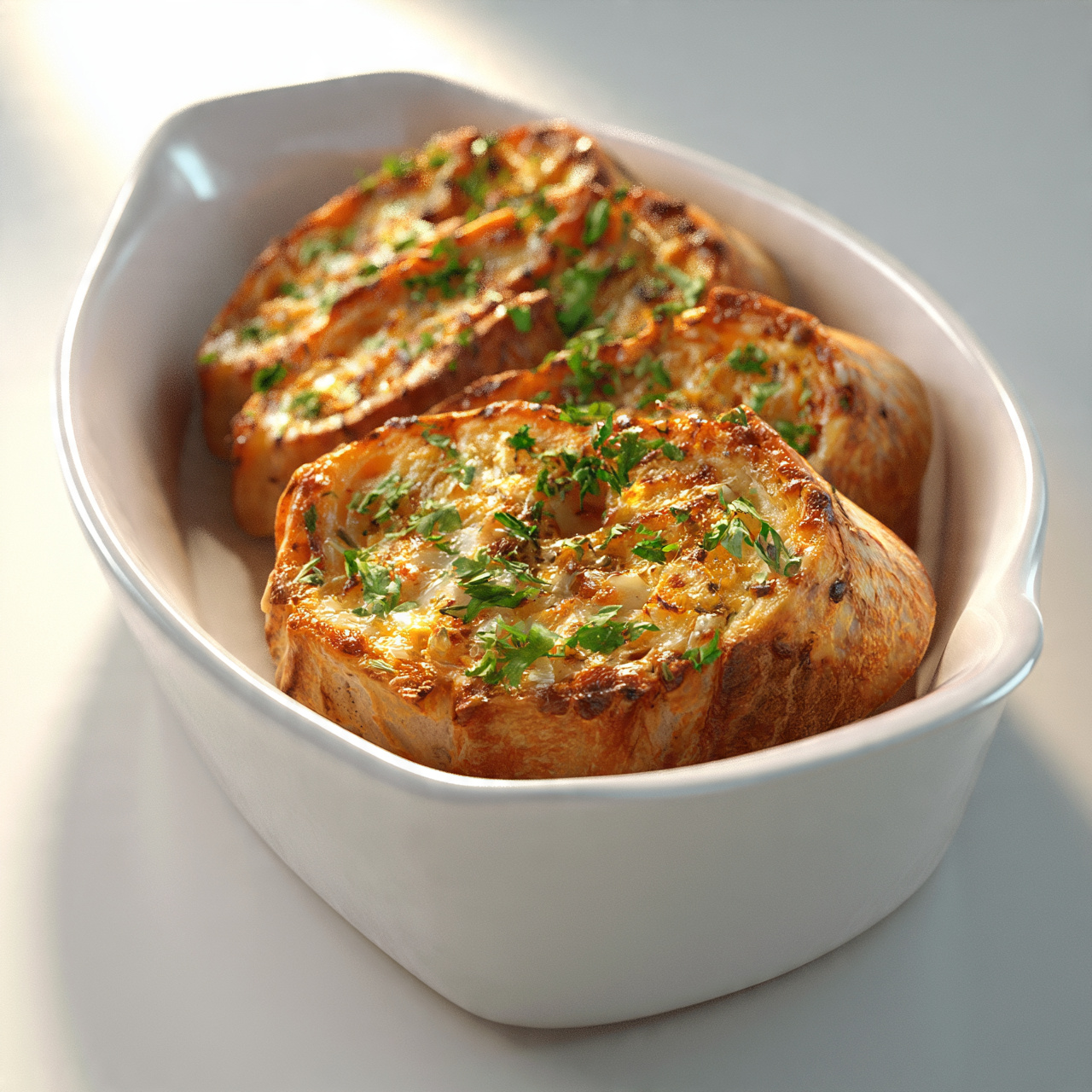
Want to experiment? Try brushing the top with a mixture of melted butter and garlic right after baking, or sprinkle on some dried oregano alongside the sesame seeds. Once you understand the base dough, you will find yourself coming back to it again and again, riffing on it in whatever direction feels right that day.