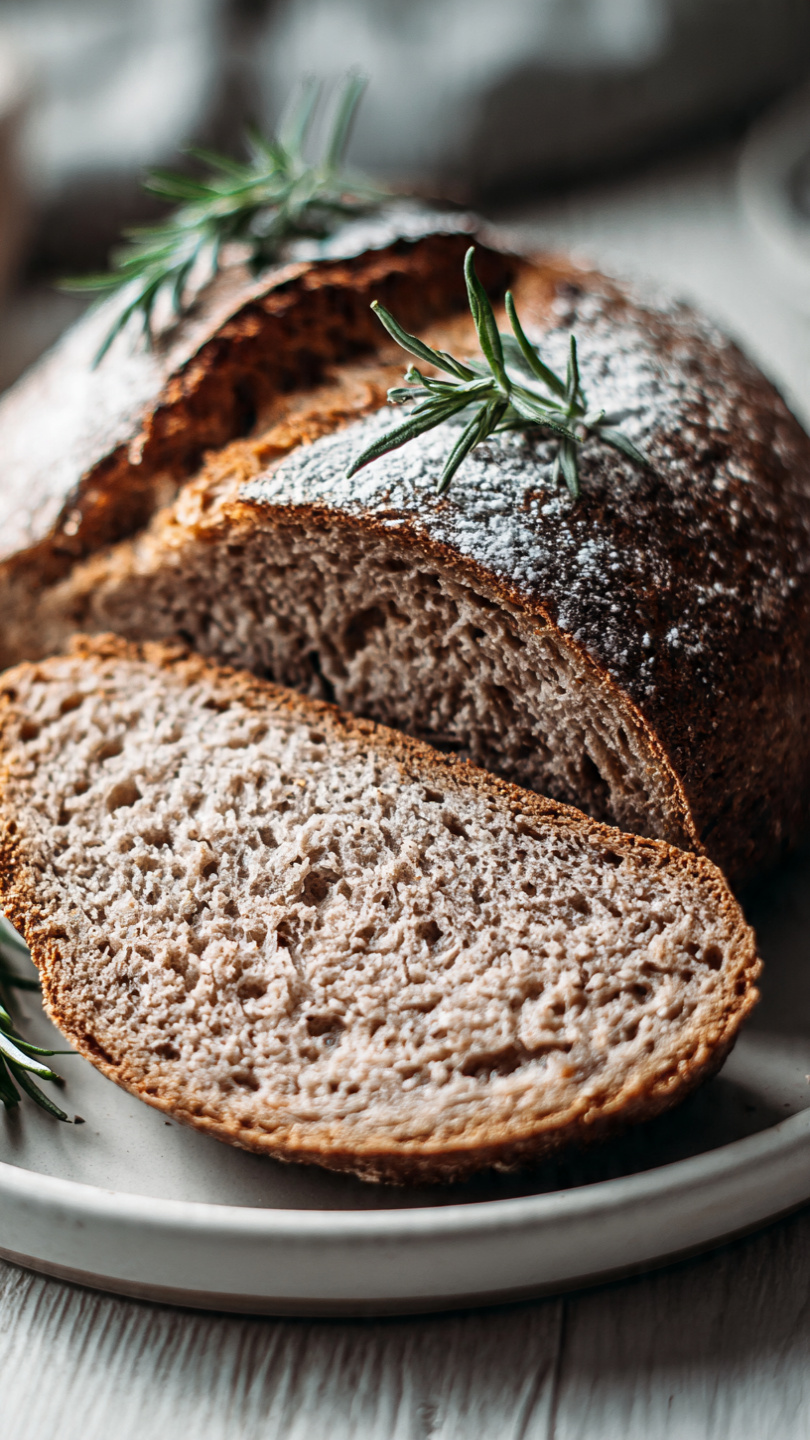
Sourdough Rye Bread Recipe (Crusty, Tangy, and Deeply Flavorful)
This sourdough rye bread recipe delivers a beautifully crusty loaf with a deep, tangy flavor and hearty crumb — made with a rye sourdough starter and no commercial yeast.

The Sourdough Rye Bread You Will Keep Coming Back To
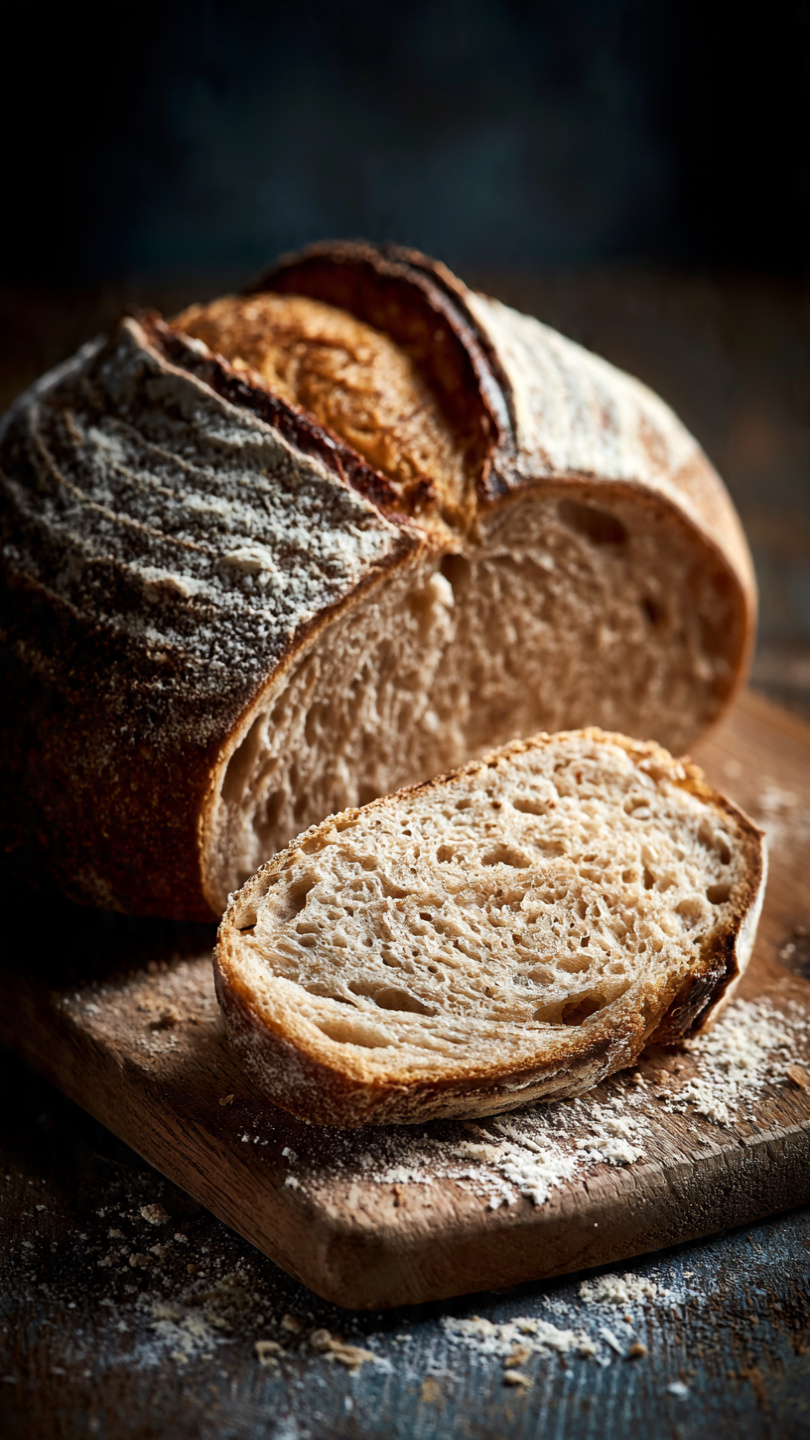
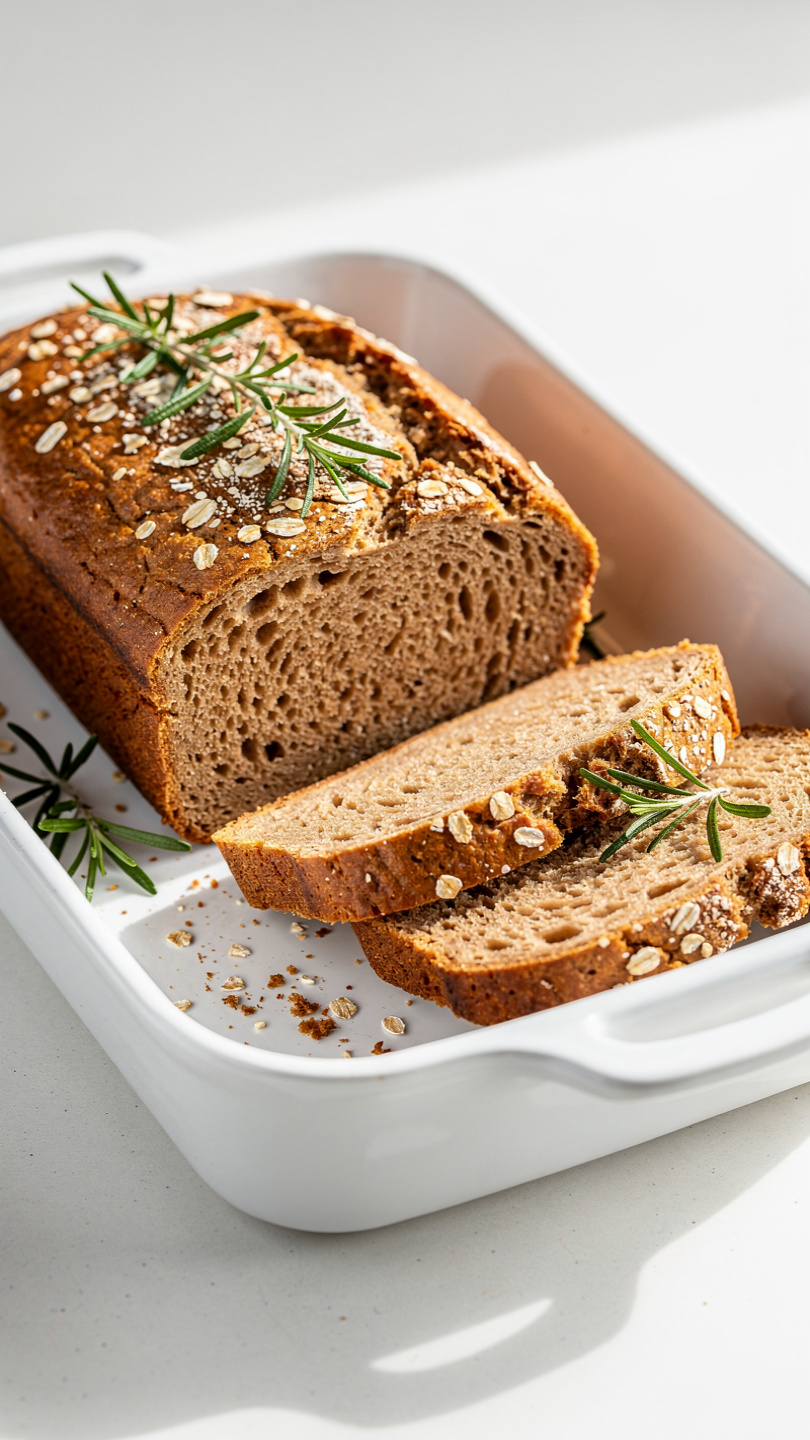
There is something deeply satisfying about pulling a dark, crackling loaf of sourdough rye bread out of a screaming hot Dutch oven. The crust shatters when you press it. The kitchen smells like a proper artisan bakery. And when you finally slice into it after that agonizing one-hour cool, the crumb is moist, chewy, and layered with a complex tang that no store-bought bread can touch.
This rye bread sourdough recipe is the real deal. No commercial yeast. No shortcuts. Just a lively rye sourdough starter, a patient bulk ferment, and a cold overnight proof that develops the kind of deep, earthy sourness that makes rye bread so special.
Whether you are a seasoned sourdough baker looking to branch out from wheat loaves or a curious beginner ready to tackle your first rye sourdough recipe, this guide walks you through every step with clarity and confidence.
What Makes Rye Sourdough Different
Rye flour behaves very differently from bread flour. It contains less gluten-forming protein and more water-absorbing fibers called pentosans, which means:
- The dough will be stickier than a standard sourdough do not panic, this is correct.
- Fermentation moves faster, so you need to watch your dough rather than just following a clock.
- The crumb will be denser by nature, with a tighter texture that is hearty and satisfying rather than airy.
Using a rye starter recipe (a sourdough starter fed with rye flour) amplifies the tangy, complex flavor even further. If you have been feeding your starter wheat flour, simply switch to dark rye flour for 2 to 3 feedings before baking and you will notice the difference immediately.
Getting the best results from this sourdough rye bread recipe really does come down to a couple of key tools. A quality Dutch oven for steam-baking and a proper proofing banneton for shaping are the two items that consistently separate good loaves from great ones.
How To Make Rye Bread With Sourdough Starter
The process for this rye sourdough bread recipe follows a natural rhythm that fits around a regular day. Here is the general timeline:
- Night before: Feed your rye sourdough starter.
- Morning: Mix the dough, then bulk ferment with stretch-and-fold sessions.
- Afternoon: Shape and refrigerate overnight.
- Next morning: Bake.
Chef's Tip: Cold proofing overnight is your secret weapon. The slower the fermentation, the more complex and sour the flavor. Do not rush this stage.
The molasses in this recipe is a small but impactful addition. It deepens the color to that signature dark mahogany and adds a subtle, almost malty note that balances the sourness beautifully. And the caraway seeds, while optional, are what most people picture when they think of a classic rye bread sourdough loaf.
Scoring and Baking
Scoring is your chance to control where the bread opens as it bakes. For a round boule, one confident slash across the center at a 45-degree angle works beautifully. For an oval batard, a single long score or two diagonal slashes both work well.
Bake this sourdough rye bread covered in the Dutch oven first. The trapped steam keeps the crust soft and pliable during the initial oven spring, allowing the bread to rise fully before the crust sets. Removing the lid in the second half of baking lets that crust develop into something deeply browned and satisfyingly crunchy.
Warning: Do not skip the full cooling time. Rye bread finishes setting internally as it cools, and slicing too early results in a gummy, underset crumb even if the exterior looks perfectly done.
Ready to bake your best loaf yet? Here is the complete, step-by-step recipe:
Sourdough Rye Bread Recipe (Crusty, Tangy, and Deeply Flavorful)
This sourdough rye bread recipe delivers a beautifully crusty loaf with a deep, tangy flavor and hearty crumb — made with a rye sourdough starter and no commercial yeast.
Ingredients
- 1 cup active rye sourdough starter, fed and bubbly, at peak activity
- 1 1/2 cups dark rye flour, whole grain preferred
- 1 1/2 cups bread flour, or all-purpose flour
- 3/4 cup warm water, around 80°F (27°C)
- 1 1/2 tsp fine sea salt
- 1 tbsp caraway seeds, optional but highly recommended
- 1 tbsp molasses, adds color and a subtle depth of sweetness
- 1 tbsp olive oil or neutral oil, for greasing the bowl
- 2 tbsp coarse rye flour or semolina, for dusting the banneton or bowl
Instruction
The night before baking, feed your rye sourdough starter. Use equal parts rye flour and water by weight, stir well, cover loosely, and leave at room temperature for 8 to 12 hours until bubbly and at its peak rise.
In a large mixing bowl, combine the active rye starter, warm water, and molasses. Stir until fully dissolved and combined.
Add the dark rye flour, bread flour, and salt. Mix with a dough scraper or your hands until a shaggy, sticky dough forms. Rye dough will be noticeably stickier than standard wheat dough — this is normal.
Fold in the caraway seeds if using. Cover the bowl with a damp towel or plastic wrap and let the dough rest for 30 minutes.
Perform 3 to 4 sets of stretch-and-folds over the next 2 hours, spaced about 30 minutes apart. Wet your hands before each fold to prevent sticking. After the final fold, the dough should feel slightly more elastic but will remain tacky.
Cover the bowl and allow the dough to bulk ferment at room temperature (around 72 to 75°F) for 4 to 6 hours, or until the dough has grown by roughly 50 percent and looks bubbly on the surface.
Lightly flour your work surface with rye flour. Turn the dough out gently and shape it into a round or oval loaf using a bench scraper. Avoid overworking it.
Place the shaped dough seam-side up into a well-floured banneton or a bowl lined with a well-floured kitchen towel. Cover and refrigerate overnight (8 to 16 hours) for a long, cold proof.
When ready to bake, place a Dutch oven with its lid into the oven and preheat to 475°F (245°C) for at least 45 minutes.
Remove the dough from the fridge. Turn it out onto a sheet of parchment paper, seam-side down. Score the top with a sharp lame or razor blade at a 45-degree angle.
Carefully lower the dough (on the parchment) into the hot Dutch oven. Cover with the lid and bake for 20 minutes.
Remove the lid and reduce the oven temperature to 450°F (230°C). Continue baking for 20 to 25 minutes until the crust is deep mahogany brown and the loaf sounds hollow when tapped on the bottom.
Transfer to a wire rack and allow to cool for at least 1 hour before slicing. Rye bread continues to set as it cools, and cutting too early gives a gummy crumb.
Equipment
- Large mixing bowl
- Bench scraper or dough scraper
- Banneton proofing basket or medium mixing bowl
- Dutch oven (5 to 7 quart)
- Lame or sharp razor blade
- Parchment paper
- Wire cooling rack
- Kitchen scale (recommended)
Notes
Serving, Storing, and Variations
This rye sourdough bread is exceptional served simply: a thick slice, good salted butter, and nothing else. It also pairs brilliantly with sharp cheddar, smoked salmon, or a bowl of hearty soup.
Ways to vary this rye sourdough recipe:
- Add 1 tbsp of whole fennel seeds alongside the caraway for a more complex spice profile.
- Swap 0.5 cup of the rye flour for pumpernickel flour for an even darker, more robust loaf.
- For a milder flavor, increase the bread flour and reduce the rye flour slightly.
For storage, wrap cooled bread in a linen cloth and keep it at room temperature for up to 3 days. Freeze sliced portions for up to 2 months and toast directly from frozen whenever the craving strikes.