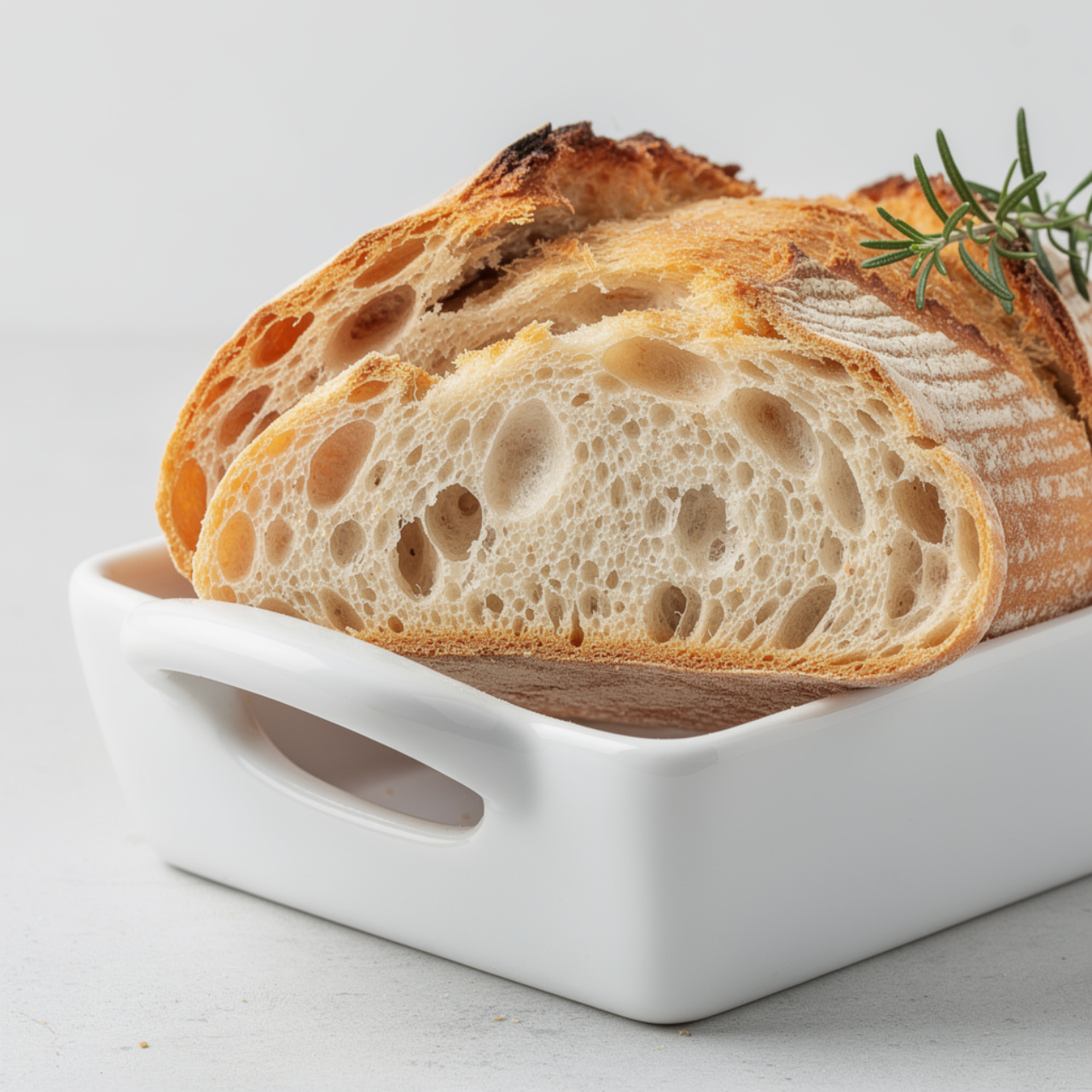
Best Sourdough Sandwich Bread Recipe (Soft, Fluffy, and Same-Day!)
This is the best sourdough sandwich bread recipe for soft, fluffy slices that are perfect for everything from toast to towering deli sandwiches. Make it same-day or let it long ferment overnight for even deeper flavor.

The Sourdough Sandwich Bread You Will Bake on Repeat
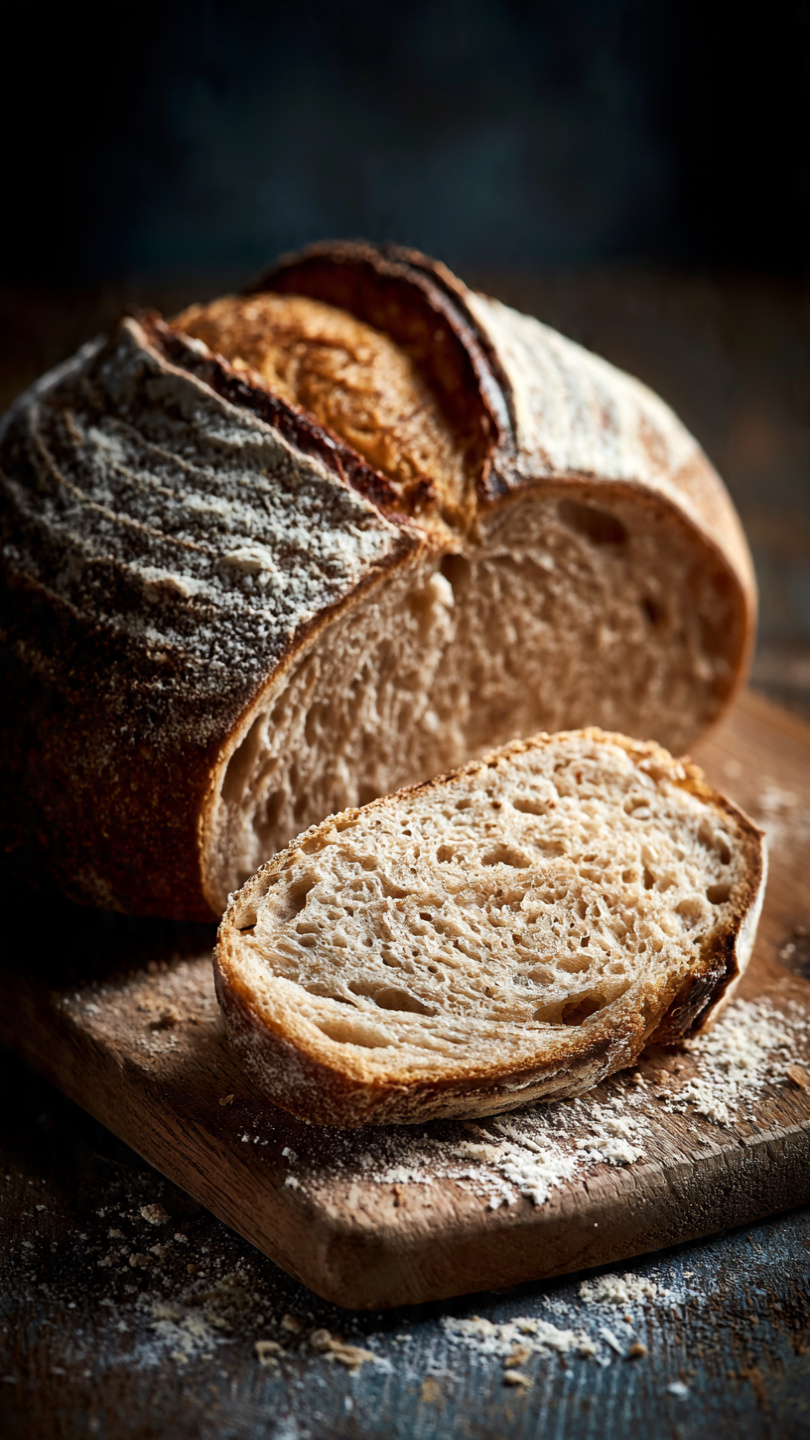
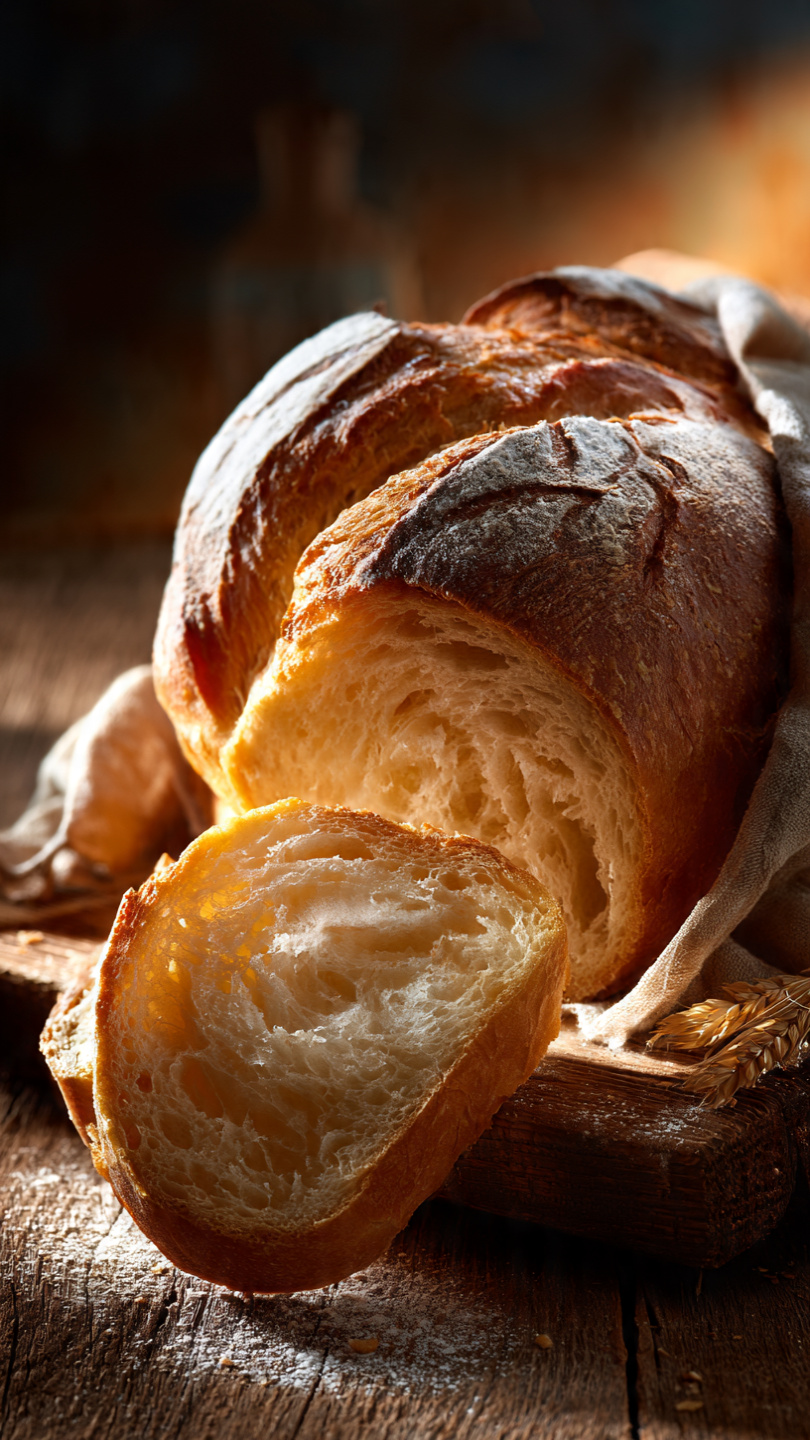
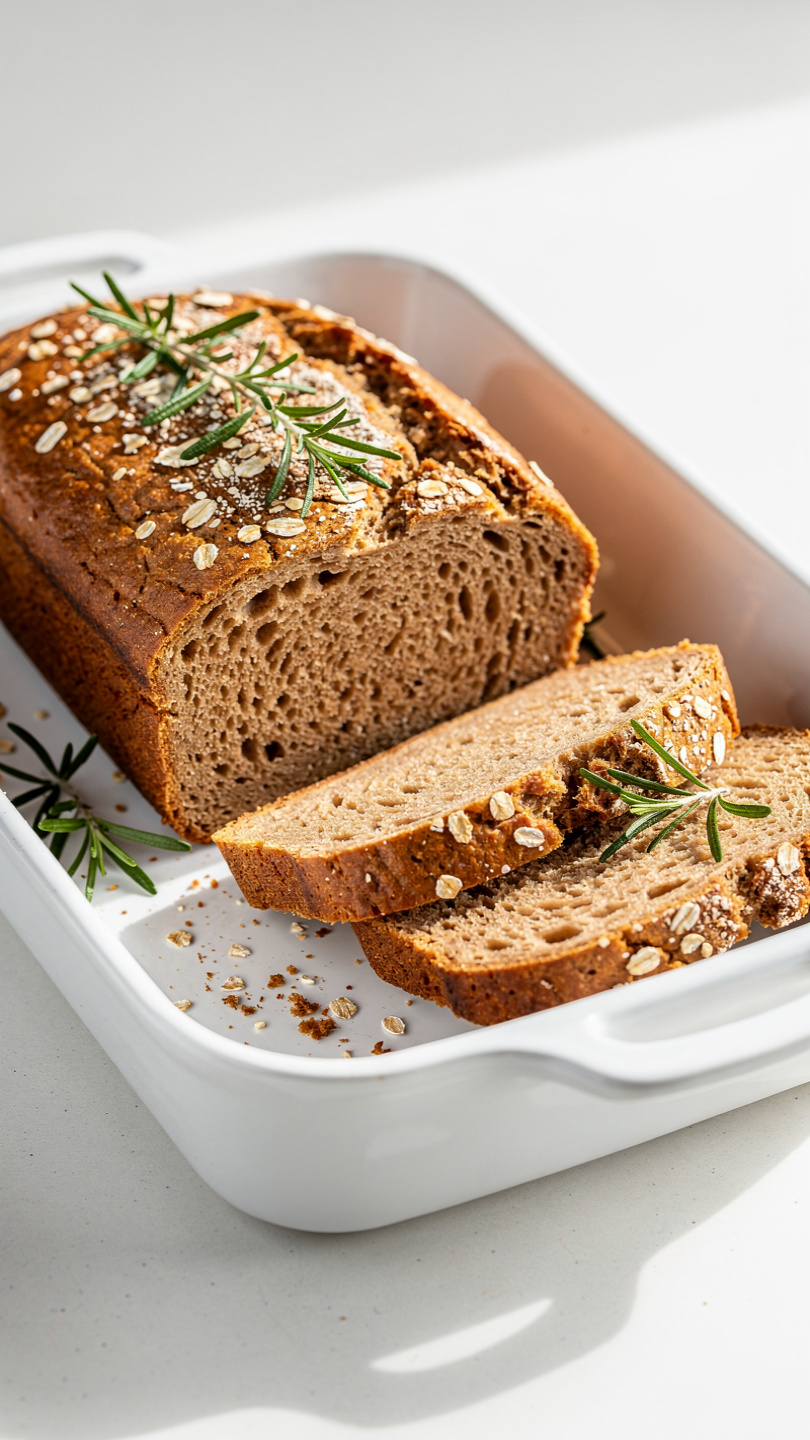
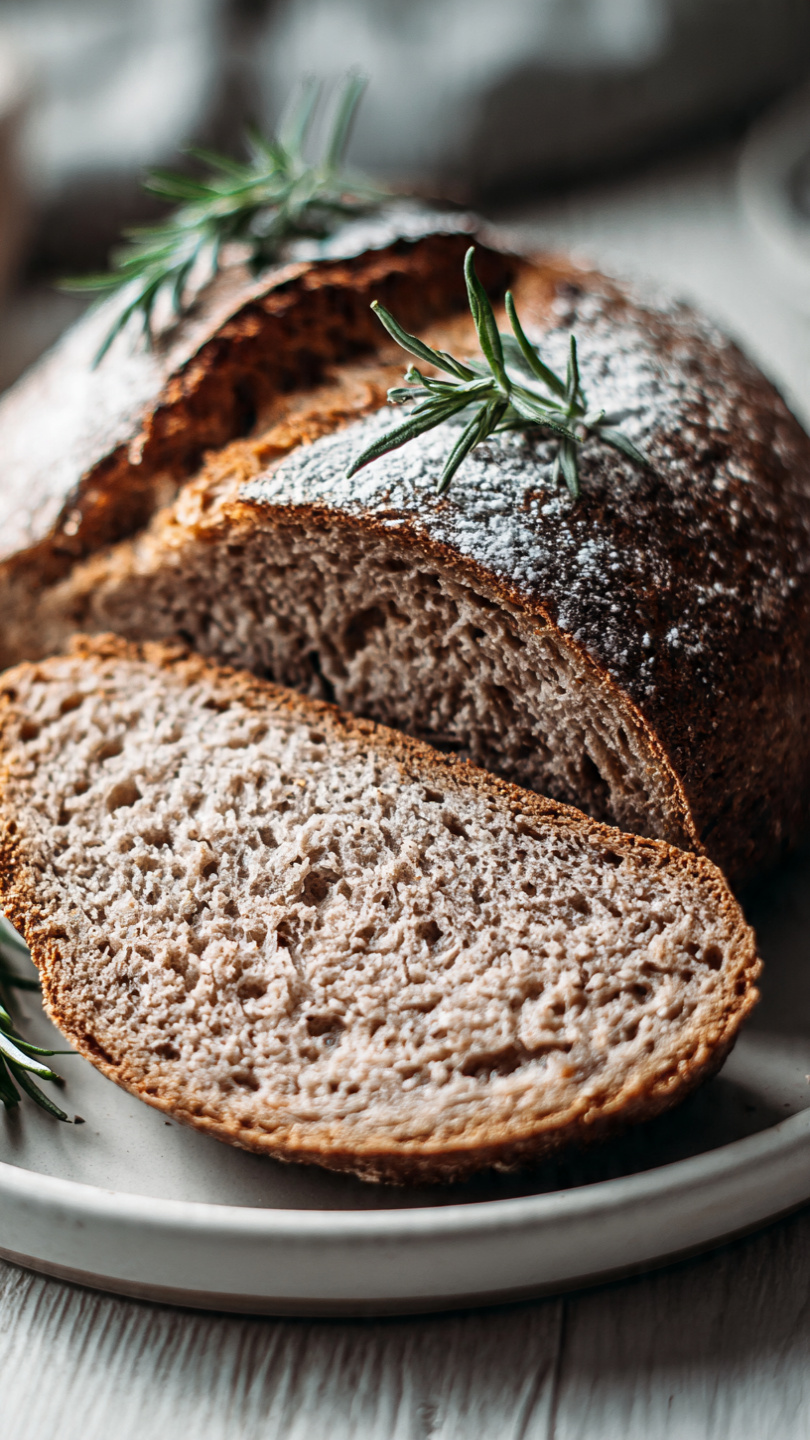
If you have been searching for the best sourdough sandwich bread recipe, you have landed in exactly the right place. This loaf has it all: a tender, pillowy crumb that holds up to thick spreads and towering fillings, a lightly golden crust that is soft enough to bite through cleanly, and that signature gentle tang that makes homemade sourdough sandwich bread so completely different from anything you will find at a grocery store.
Whether you are craving a fluffy sourdough bread for your morning avocado toast or a sturdy French sourdough bread-inspired structure for a classic BLT, this recipe delivers every single time. And best of all, it works beautifully as both a sourdough same-day recipe and a long fermented sourdough option, so you can fit it into your schedule rather than rearranging your whole week around it.
Why This Recipe Actually Works
Most sourdough sandwich bread recipes lean heavily on a rigid, wet dough. This one takes a different path. By incorporating a small amount of warm milk, honey, and softened butter, the dough becomes enriched just enough to produce that soft, cloud-like crumb you see in the best bakery loaves. Think of it as somewhere between a classic white sandwich loaf and a deeply flavored naturally leavened bread.
The honey pulls double duty here: it feeds the wild yeast in your starter, giving fermentation a little boost, and it adds a subtle sweetness that rounds out the sour notes beautifully. You will not taste "sweet bread," but you will taste balanced bread.
Chef's Tip: Your starter is the engine of this recipe. Feed it 4 to 6 hours before you plan to mix your dough and use it right at its peak, when it is domed, bubbly, and just starting to show signs of falling. An active starter is the single biggest difference between a fluffy sourdough bread and a disappointing dense brick.
Same-Day or Long Fermented: You Choose
One of the most common frustrations with sourdough baking is the time commitment. This recipe solves that by being genuinely flexible:
- Sourdough sandwich bread recipe same-day: Start in the morning and bake in the evening. Keep your kitchen around 76 to 78 degrees F and your starter lively, and you will have fresh bread by dinner.
- Long fermented sourdough recipes: After bulk fermentation, cover the shaped loaf and refrigerate overnight. The cold slow-proof develops a more complex flavor and a slightly more open crumb. Bake it the next morning straight from the fridge after a brief room-temperature rest.
Both methods produce an outstanding loaf. The overnight version just has a little more soul.
The right tools make an enormous difference in sourdough baking. A reliable instant-read thermometer, a quality 9x5-inch loaf pan with good heat distribution, and a sturdy stand mixer (if you prefer not to knead by hand) will all help you get consistent, bakery-worthy results.
Tips for the Best Sourdough Sandwich Bread
Before you dive in, a few things worth knowing:
- Do not skip the autolyse. That 30-minute rest after initial mixing allows the flour to fully hydrate and makes kneading significantly easier.
- Watch the dough, not the clock. Fermentation times are guidelines, not rules. A dough that has truly doubled is ready to shape regardless of whether it took 4 hours or 6.
- Cool completely before slicing. The crumb continues to set as the loaf cools. Cutting too early compresses the interior and gives you a gummy, dense slice.
- Use an instant-read thermometer. The bread is done when the internal temperature hits 195 to 200 degrees F. The color of the crust alone is not reliable enough.
Baker's Note: If you want an extra-soft crust (ideal for kids' lunches or delicate sandwiches), brush the top of the hot loaf with melted butter as soon as it comes out of the oven. It softens the crust immediately and adds a gorgeous shine.
Ready to bake the best sourdough sandwich bread of your life? Here is everything you need:
Best Sourdough Sandwich Bread Recipe (Soft, Fluffy, and Same-Day!)
This is the best sourdough sandwich bread recipe for soft, fluffy slices that are perfect for everything from toast to towering deli sandwiches. Make it same-day or let it long ferment overnight for even deeper flavor.
Ingredients
- 3 1/2 cups bread flour, plus more for dusting
- 1/2 cup active sourdough starter, fed and bubbly, at peak activity
- 3/4 cup warm water, around 90 degrees F
- 1/4 cup whole milk, warm, or substitute with oat milk
- 2 tbsp honey, or substitute with maple syrup
- 3 tbsp unsalted butter, softened to room temperature
- 1 1/2 tsp fine sea salt
Instruction
In a large mixing bowl, combine the warm water, warm milk, honey, and active sourdough starter. Whisk until the starter is fully dissolved and the mixture looks slightly foamy.
Add the bread flour and salt to the bowl. Mix with a dough hook or a sturdy spatula until a shaggy dough forms and no dry flour remains. Cover and let rest for 30 minutes (this is the autolyse step).
Add the softened butter one tablespoon at a time, kneading it fully into the dough between each addition. Knead for 8 to 10 minutes by hand or 6 minutes in a stand mixer on medium speed until the dough is smooth, soft, and slightly tacky but not sticky.
Place the dough in a lightly greased bowl, cover with plastic wrap or a damp towel, and let it bulk ferment at room temperature (around 75 to 78 degrees F) for 4 to 6 hours, or until roughly doubled in size. For a same-day sourdough sandwich bread, keep your kitchen warm and your starter active. For long fermented sourdough recipes, place the covered bowl in the refrigerator overnight for 8 to 12 hours.
Turn the risen dough out onto a lightly floured surface. Gently flatten it into a rough rectangle about as wide as your loaf pan. Roll it up tightly from one short end, pinching the seam closed. Place it seam-side down in a well-greased 9x5-inch loaf pan.
Cover the pan loosely and let the dough proof at room temperature for 1.5 to 2.5 hours, until it crowns about 1 inch above the rim of the pan. If you refrigerated the dough overnight, allow 3 to 4 hours for this final proof.
About 20 minutes before baking, preheat your oven to 375 degrees F (190 degrees C). Optionally, brush the top of the loaf with a light coating of milk or an egg wash for a golden crust.
Bake for 38 to 45 minutes, until the top is deep golden brown and the internal temperature reads 195 to 200 degrees F on an instant-read thermometer.
Remove the bread from the oven and let it cool in the pan for 10 minutes. Then transfer to a wire rack and cool for at least 1 hour before slicing. Cutting too early will give you a gummy interior, so be patient!
Equipment
- Large mixing bowl
- Stand mixer with dough hook (optional)
- 9x5-inch loaf pan
- Plastic wrap or damp kitchen towel
- Instant-read thermometer
- Wire cooling rack
- Pastry brush
Notes
Serving, Storing, and Making It Your Own
This homemade sourdough sandwich bread is endlessly versatile once baked. Here are a few ways to enjoy it:
- Classic sandwiches: The tight, even crumb holds up perfectly to mayo, mustard, deli meats, and all the extras without falling apart.
- Toast: Thick slices toasted golden and topped with butter and flaky salt is genuinely hard to beat.
- French toast: Day-old slices are incredible soaked in a custard and cooked in butter. The mild tang of the sourdough elevates every bite.
For storage, wrap the cooled loaf tightly and keep it at room temperature for up to 4 days. To freeze, slice the entire loaf and layer it in a freezer bag. Individual slices can go straight from freezer to toaster, making this one of the most practical long fermented sourdough recipes you will add to your regular rotation.
Once you make this once, store-bought sandwich bread will simply never feel like enough.