Sourdough French Bread
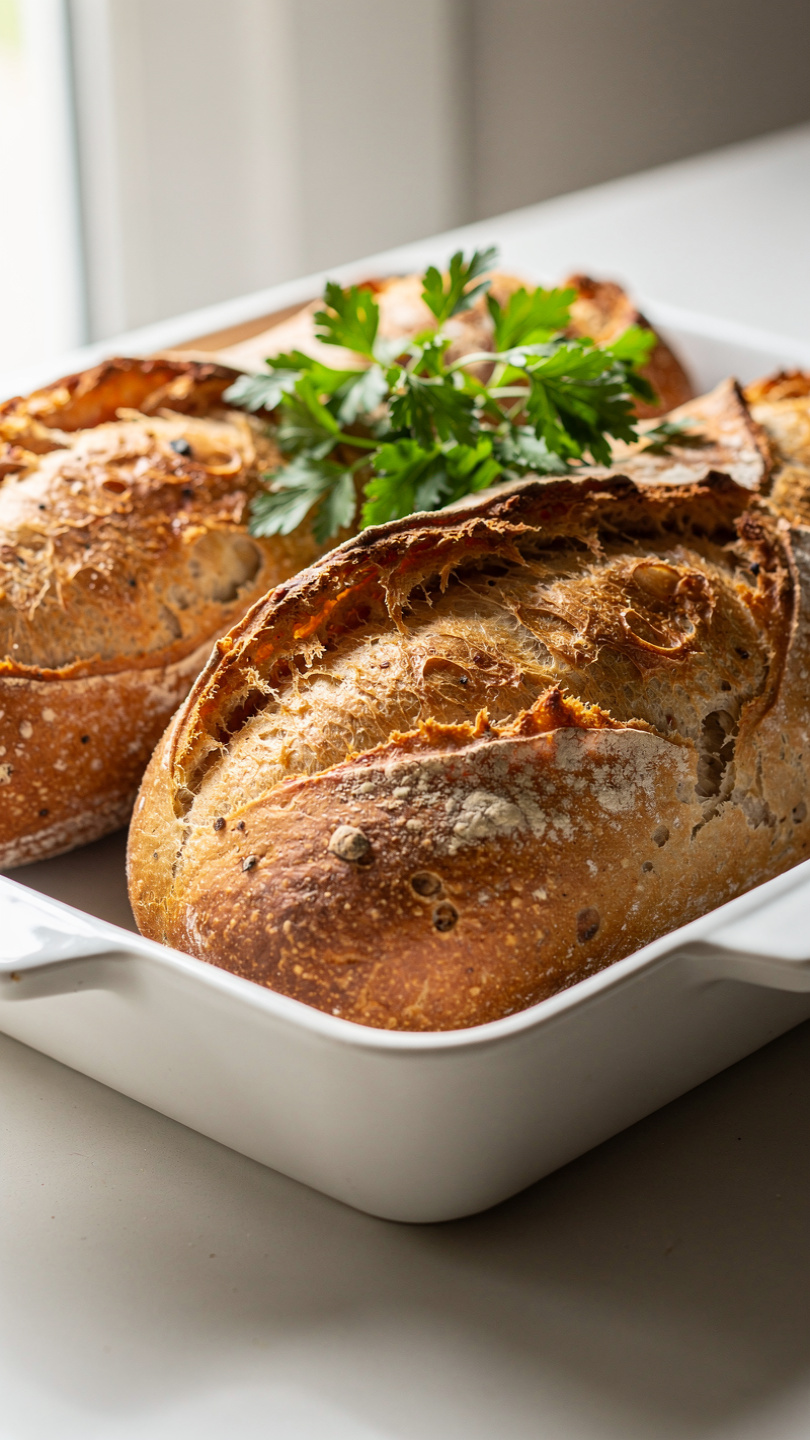
This rustic Sourdough French Bread recipe delivers a crackly golden crust and a tangy, chewy crumb using your sourdough starter. It's the best homemade French bread loaf you'll ever pull from your own oven.

The Sourdough French Bread You Have Been Waiting to Bake
There is something almost magical about pulling a golden, crackling French bread loaf from your oven. The crust shatters when you press it. The inside is open, chewy, and just faintly tangy. It smells like a proper Parisian boulangerie. And the best part? You made it with your own sourdough starter.
This Sourdough French Bread Recipe sits right at the intersection of classic French cuisine recipes and the satisfying, slow craft of sourdough baking. It is not a fussy, all-day project. It is a handful of simple ingredients, a long quiet fermentation, and a blazing hot oven doing most of the heavy lifting for you.
Whether you are an experienced sourdough baker or you are finally putting that neglected jar on the counter to work, this is one of the most rewarding homemade sourdough bread recipes you can add to your rotation.
Why Sourdough Makes Better French Bread
Traditional French bread recipes rely on commercial yeast for speed and consistency. There is nothing wrong with that approach. But when you swap in an active sourdough starter, something more interesting happens.
The wild yeast and lactic acid bacteria in your starter do two things at once. They leaven the bread slowly and naturally, and they produce the organic acids that give sourdough its characteristic depth of flavor. The result is a French bread loaf with a more complex, slightly tangy taste that commercial yeast simply cannot replicate.
Longer fermentation also develops stronger gluten networks without aggressive kneading, which means a more open, airy crumb and that satisfying chew that good French bread is known for.
Baker's Note: The peak activity of your starter matters more than almost anything else in this recipe. Use it when it has doubled in size after feeding and is still domed or just beginning to fall. That is when fermentation power is at its highest.
Choosing the Right Tools and Ingredients
A great French bread recipe starts with great flour. Bread flour, with its higher protein content, gives you the strong gluten structure you need for a proper crust and chew. If you have a kitchen scale, use it. Weighing flour is the single most reliable way to get consistent results across every bake.
The right tools genuinely transform the process here, from a sharp bread lame for scoring to a heavy baking sheet that retains heat evenly. These are the products that make a real difference in this recipe:
How to Get That Crackly Crust at Home
Professional bread ovens inject steam during the first phase of baking. Steam keeps the dough surface soft long enough for a full oven spring before the crust locks in place. At home, you replicate this by placing a shallow pan on the bottom rack and pouring boiling water into it the moment the bread goes in.
This one step is the difference between a pale, soft loaf and a deeply golden, crackly French bread crust that shatters when you squeeze it.
Here is what else makes a difference:
- Score deeply. Shallow cuts tear. Aim for cuts about half an inch deep at a 30 to 45 degree angle.
- Bake hot. Start at 450 degrees F. The high heat drives oven spring.
- Cool completely. The crust continues to crisp on the wire rack. Cutting into it too soon releases steam and softens everything.
A Note on the Final Proof
After shaping your loaves, you have two options. A room temperature proof of 1 to 2 hours works well when you want bread the same day. But for the best possible flavor in any recipe using sourdough starter, a slow cold proof overnight in the refrigerator is the move.
The cold temperature slows fermentation without stopping it. Acids continue to develop, deepening the tang and complexity. You also get the practical benefit of baking on your schedule rather than your dough's schedule.
Chef's Tip: Cold-proofed loaves score more cleanly because the dough is firmer straight from the refrigerator. If you have struggled with scoring in the past, a cold retard makes a noticeable difference.
What to Do with Leftover Sourdough French Bread
If you somehow have leftovers, consider yourself lucky. Day-old sourdough French bread is arguably better than fresh for a few applications.
French Bread French Toast is the top choice. The slightly stale, tangy crumb soaks up custard beautifully without turning to mush, and the sourdough flavor adds a layer of complexity that brioche or sandwich bread cannot match. Thick slices, a rich egg and cream custard, and a hot buttered pan. That is it.
Beyond that, leftover slices are perfect for bruschetta, torn into panzanella, or rubbed with garlic and toasted under the broiler as an accompaniment to soup or pasta.
Wrapped at room temperature, the bread keeps well for about two days. After that, slice and freeze it. Toast slices directly from frozen whenever the craving hits.
Ready to bake? Here is everything you need laid out in one clean recipe card:
Sourdough French Bread
This rustic Sourdough French Bread recipe delivers a crackly golden crust and a tangy, chewy crumb using your sourdough starter. It's the best homemade French bread loaf you'll ever pull from your own oven.
Ingredients
- 1 cup active sourdough starter, fed and bubbly, at peak activity
- 3/4 cup warm water, about 90 to 95 degrees F
- 3 cups bread flour, plus more for dusting
- 1/2 cup all-purpose flour
- 1 1/2 tsp fine sea salt
- 1 tbsp olive oil, for greasing the bowl
Instruction
In a large mixing bowl, combine the active sourdough starter and warm water. Stir until fully blended.
Add the bread flour, all-purpose flour, and sea salt. Mix with a wooden spoon or your hands until a shaggy dough forms.
Turn the dough out onto a lightly floured surface and knead for 8 to 10 minutes until it becomes smooth, elastic, and slightly tacky but not sticky.
Lightly coat a large bowl with olive oil. Place the dough inside, cover with plastic wrap or a damp kitchen towel, and let it bulk ferment at room temperature for 6 to 8 hours, or until roughly doubled in size.
Once the dough has risen, gently deflate it and turn it out onto a lightly floured surface. Divide it into two equal pieces.
Shape each piece into a long baguette-style loaf by flattening slightly, folding the edges inward, and rolling the dough away from you while applying gentle pressure.
Transfer the shaped loaves to a parchment-lined baking sheet. Cover loosely with plastic wrap and let rest at room temperature for 1 to 2 hours for a final proof, or refrigerate overnight for a deeper tangy flavor.
When ready to bake, preheat your oven to 450 degrees F (230 degrees C) and place a shallow pan on the bottom rack. Bring 1 cup of water to a boil.
Just before loading the bread, use a sharp lame or serrated knife to score the tops of the loaves with 3 to 4 diagonal cuts about 0.5 inch deep.
Place the baking sheet on the center rack. Carefully pour the boiling water into the shallow pan on the bottom rack and quickly close the oven door to trap the steam.
Bake for 20 minutes with steam, then remove the water pan, reduce the oven to 425 degrees F (220 degrees C), and continue baking for another 12 to 15 minutes until the crust is deep golden brown and the loaves sound hollow when tapped on the bottom.
Transfer the loaves to a wire rack and let them cool for at least 20 minutes before slicing. The crust will continue to crisp as it cools.
Equipment
- Large mixing bowl
- Wooden spoon or bench scraper
- Kitchen scale (recommended)
- Parchment-lined baking sheet
- Sharp bread lame or serrated knife
- Shallow oven-safe pan (for steam)
- Wire cooling rack
- Instant-read thermometer (optional)
Notes
Frequently Asked Questions
Bakers ask a lot of questions about homemade sourdough bread recipes, and that is completely understandable. Sourdough has more variables than most baking projects. The FAQ section below covers the most common ones so you can bake with confidence the first time.
If you are new to working with a sourdough starter, the most important thing to remember is that timing is flexible but starter health is not. A weak, sluggish starter will give you dense bread regardless of how carefully you follow every other step. Feed it consistently, use it at peak, and the rest falls into place.
Share Your Bake
If you make this Sourdough French Bread, leave a comment below and let me know how it turned out. I love hearing about your bakes, seeing your scoring patterns, and answering questions about troubleshooting. Good bread deserves to be shared.