Savory Herb Bread Recipe
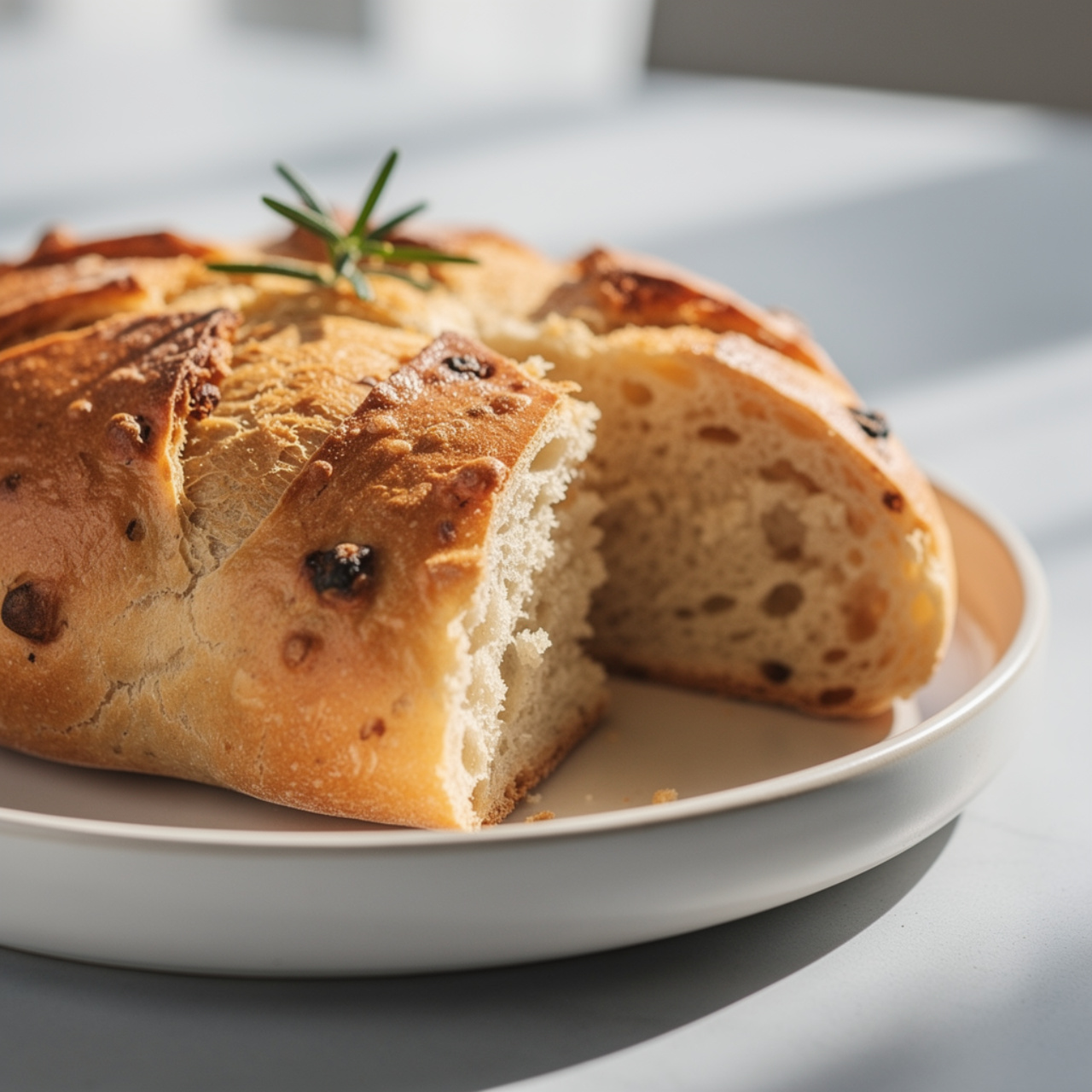
This savory herb bread is golden, fragrant, and packed with garlic and fresh herbs, making it the perfect companion to any dinner table. Bake a beautiful, bakery-worthy loaf right at home with simple ingredients and satisfying results.

The Savory Herb Bread You Will Want to Bake Every Single Week
There is something undeniably special about pulling a golden, herb-flecked loaf from your own oven. The smell alone, that warm mix of roasted garlic, rosemary, and thyme curling through the kitchen, is reason enough to make this savory herb bread part of your regular dinner rotation. Whether you are looking for beautiful bread ideas for dinner, an alternative bread recipe to break out of the sandwich-loaf routine, or simply a pretty bread recipe to wow guests, this one checks every box.
This is not a fussy, intimidating bake. It is a confident, beginner-friendly loaf that delivers bakery bread results without a stand mixer, a banneton, or any professional equipment. Just your hands, a bowl, and a little patience.
Why This Bread Works So Well for Dinner
Most store-bought bread plays a supporting role at the dinner table, but this savory herb bread earns a spot front and center. The garlic is gently bloomed in olive oil before being folded into the dough, which means it mellows into something sweet and nutty rather than sharp. The combination of rosemary, thyme, and parsley gives the loaf an earthy, garden-fresh flavor that pairs beautifully with everything from roasted chicken and pasta to a simple bowl of soup.
This is genuinely one of the most versatile herb dinner recipes you can have in your back pocket. Serve it warm with good butter, tear it apart alongside a charcuterie spread, or use slices the next morning for the most incredible savory toast.
Chef's Tip: Gently warming the garlic in olive oil before folding it into the dough is the secret to this bread's depth of flavor. Do not rush this step and do not let the garlic brown; you want it soft, golden, and fragrant.
The Right Tools Make a Real Difference Here
Good bread baking comes down to heat, hands, and the right setup. A heavy baking sheet or a preheated cast iron skillet will help you achieve that gorgeous, crackly crust. Using parchment paper makes transfer effortless, and a sharp knife or bread lame is essential for those beautiful scored slashes on top.
How to Get the Most Flavor from Your Herbs
Fresh herbs are worth seeking out for this recipe. Rosemary brings a piney, woodsy backbone. Thyme adds a delicate floral note. Parsley brightens everything and keeps the flavor from feeling too heavy. Together, they create a loaf that smells and tastes like something out of a proper artisan bakery.
If fresh herbs are not available, dried will do. Just remember the general rule: use about one third of the amount called for, since dried herbs are significantly more potent.
A few other things that matter:
- Water temperature is everything. Yeast activates best between 105 and 115 degrees F. Too cool and it will not bloom; too hot and you will kill it.
- Do not skip the rest. The 45 to 60 minute rise is not optional. It is where the flavor and the texture actually develop.
- Score confidently. Those slashes on top are not just decorative. They allow steam to escape and the bread to expand properly in the oven.
Advanced Bread Techniques You Can Actually Use at Home
This recipe sneaks in a few techniques that professional bakers rely on, adapted for the home kitchen.
Laminating the dough with the herb mixture rather than mixing it in from the start keeps the herb pockets more distinct. You get little bursts of rosemary and garlic as you eat rather than a uniform flavor throughout.
Scoring before baking is a technique borrowed from advanced bread recipes but is completely approachable here. Use a sharp knife and a confident, swift motion. Do not drag or saw.
The hollow tap test is your doneness signal. When the bottom of the loaf sounds hollow when tapped, the bread is done. A thermometer inserted into the center should read around 190 to 200 degrees F.
Pro Note: For an even crispier crust, place a small oven-safe pan of hot water on the rack below your bread during the first 10 minutes of baking. The steam mimics a professional bread oven and keeps the crust from setting too quickly.
Ready to Bake? Here Is the Full Recipe
Here is everything you need to make this savory, golden, herb-filled loaf from start to finish:
Savory Herb Bread Recipe
This savory herb bread is golden, fragrant, and packed with garlic and fresh herbs, making it the perfect companion to any dinner table. Bake a beautiful, bakery-worthy loaf right at home with simple ingredients and satisfying results.
Ingredients
- 3 cups all-purpose flour, plus extra for dusting
- 2 1/4 tsp instant yeast, one standard packet
- 1 cup warm water, around 110 degrees F
- 3 tbsp olive oil, extra virgin, divided
- 4 garlic cloves, minced
- 1 1/2 tbsp fresh rosemary, finely chopped
- 1 tbsp fresh thyme leaves, stems removed
- 2 tbsp fresh flat-leaf parsley, finely chopped
- 1 1/2 tsp kosher salt
- 1 tsp granulated sugar, to activate the yeast
- 1/2 tsp flaky sea salt, for topping
Instruction
In a small bowl, combine the warm water, sugar, and instant yeast. Stir gently and let it sit for 5 minutes until foamy and fragrant.
In a large mixing bowl, whisk together the flour and kosher salt. Make a well in the center and pour in the yeast mixture and 2 tablespoons of olive oil.
Mix with a wooden spoon until a shaggy dough forms, then turn it out onto a lightly floured surface and knead for 8 to 10 minutes until smooth and elastic.
In a small pan over low heat, warm the remaining tablespoon of olive oil with the minced garlic for 1 to 2 minutes until fragrant but not browned. Remove from heat and let cool slightly.
Flatten the dough into a rough rectangle and spread the garlic oil, rosemary, thyme, and parsley evenly across the surface. Fold the dough over itself and knead gently for 2 minutes to incorporate the herbs throughout.
Shape the dough into a smooth oval or round loaf and place it on a parchment-lined baking sheet. Cover loosely with a clean kitchen towel and let rise in a warm spot for 45 to 60 minutes, or until doubled in size.
Preheat the oven to 400 degrees F (200 degrees C). Once risen, use a sharp knife to score the top of the loaf with two or three diagonal slashes about half an inch deep.
Brush the surface lightly with a little olive oil and sprinkle with flaky sea salt.
Bake for 30 to 35 minutes until the crust is deep golden brown and the loaf sounds hollow when tapped on the bottom.
Transfer to a wire rack and cool for at least 15 minutes before slicing and serving.
Equipment
- Large mixing bowl
- Small saucepan
- Wooden spoon or dough scraper
- Baking sheet
- Parchment paper
- Sharp knife or bread lame
- Wire cooling rack
- Pastry brush
Notes
Serving, Storing, and Variations
To serve: This bread is at its absolute best about 15 minutes out of the oven, still warm, with the crust just barely giving way to a soft, chewy interior. Serve it with a good salted butter, alongside a pasta dinner, or as a stunning bread for dinner next to a roast.
To store: Wrap the cooled loaf in a clean kitchen towel and keep it at room temperature for up to 2 days. Avoid plastic wrap, which traps moisture and softens the crust. For longer storage, slice and freeze in a zip-top bag for up to one month.
Variations worth trying:
- Parmesan herb bread: Add 0.5 cup of finely grated Parmesan to the dough along with the herbs.
- Sun-dried tomato and basil: Swap the rosemary and thyme for fresh basil and fold in chopped sun-dried tomatoes.
- Olive and herb loaf: Press in 0.33 cup of pitted, roughly chopped Kalamata olives for a Mediterranean take.
However you make it, this garlic and herb bread baking project is one of those recipes that rewards you far beyond the effort it asks for. Once you bake it once, it becomes the bread idea you reach for again and again.