Homemade Sourdough Bread: Master Recipe and Creative Ideas
Discover the ultimate homemade sourdough bread recipe plus creative ideas for your sourdough starter, from classic loaves to pull-apart bread and sourdough starter discard recipes.

The Only Sourdough Bread Recipe You Will Ever Need
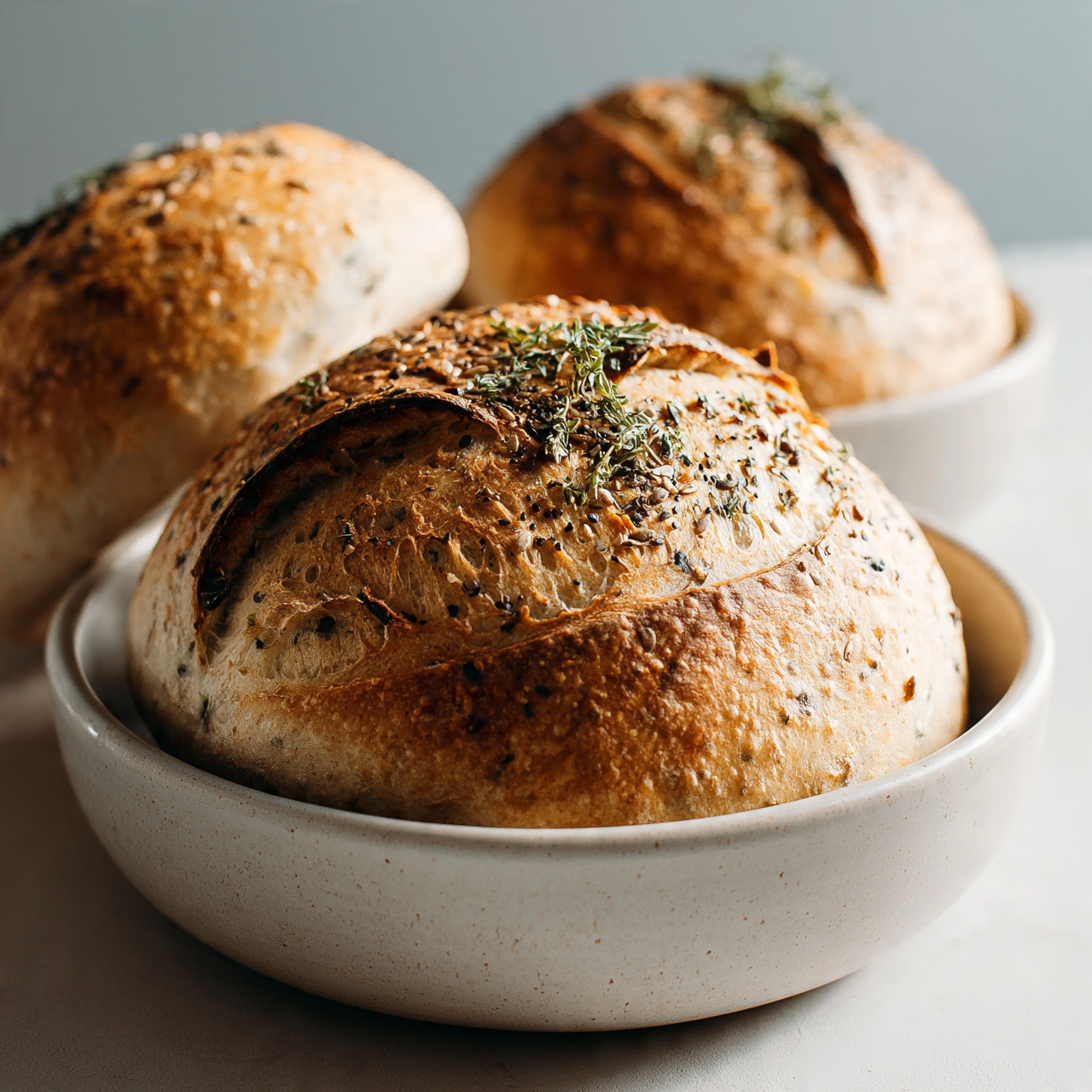
There is something almost magical about pulling a dark, crackling sourdough loaf from a screaming-hot Dutch oven. The crust shatters when you tap it. The kitchen smells like a proper artisan bakery. And every single bite carries that deep, complex tang that only comes from a living, breathing sourdough starter recipe built on wild yeast and time.
If you have been staring at your jar of starter wondering what to do next, this is your guide. We are covering the master homemade sourdough bread recipe from start to finish, plus a handful of creative sourdough bread ideas to keep your baking interesting all week long.
Sourdough baking rewards the right equipment. A heavy Dutch oven traps steam during the first phase of baking, which is what gives you that blistered, burnished crust. A sharp bread lame lets you score with confidence so the loaf blooms where you want it to. And an accurate kitchen scale transforms sourdough baking from guesswork into something reliably delicious.
What Makes Sourdough Different (and Worth the Effort)
Unlike breads leavened with commercial yeast, sourdough baking relies entirely on wild fermentation. Your sourdough starter is a living culture of wild yeast and lactic acid bacteria. Those bacteria produce the lactic and acetic acids that give sourdough its signature flavor and also make the bread more digestible and longer-lasting than sandwich loaves.
The process is slower, yes. But the active hands-on time is surprisingly short. Most of sourdough baking is simply waiting, which means the bread fits around your life rather than the other way around.
Chef's Tip: Temperature is everything in sourdough. A warm kitchen (75 to 78 degrees F) speeds up fermentation; a cool one slows it down. Learn to read your dough, not just the clock.
Understanding Your Sourdough Starter
Before any loaf can happen, your starter needs to be active and happy. A healthy sourdough starter recipe calls for equal parts flour and water by weight, fed on a consistent schedule. When it doubles reliably within 4 to 8 hours of feeding and smells pleasantly sour and yeasty, it is ready to bake with.
What to do with leftover starter? Do not throw it away. Sourdough starter discard recipes are some of the most satisfying bakes around:
- Sourdough pancakes with a tangy, custardy crumb
- Sourdough crackers brushed with olive oil and sea salt
- Sourdough focaccia dimpled and drizzled and impossibly fluffy
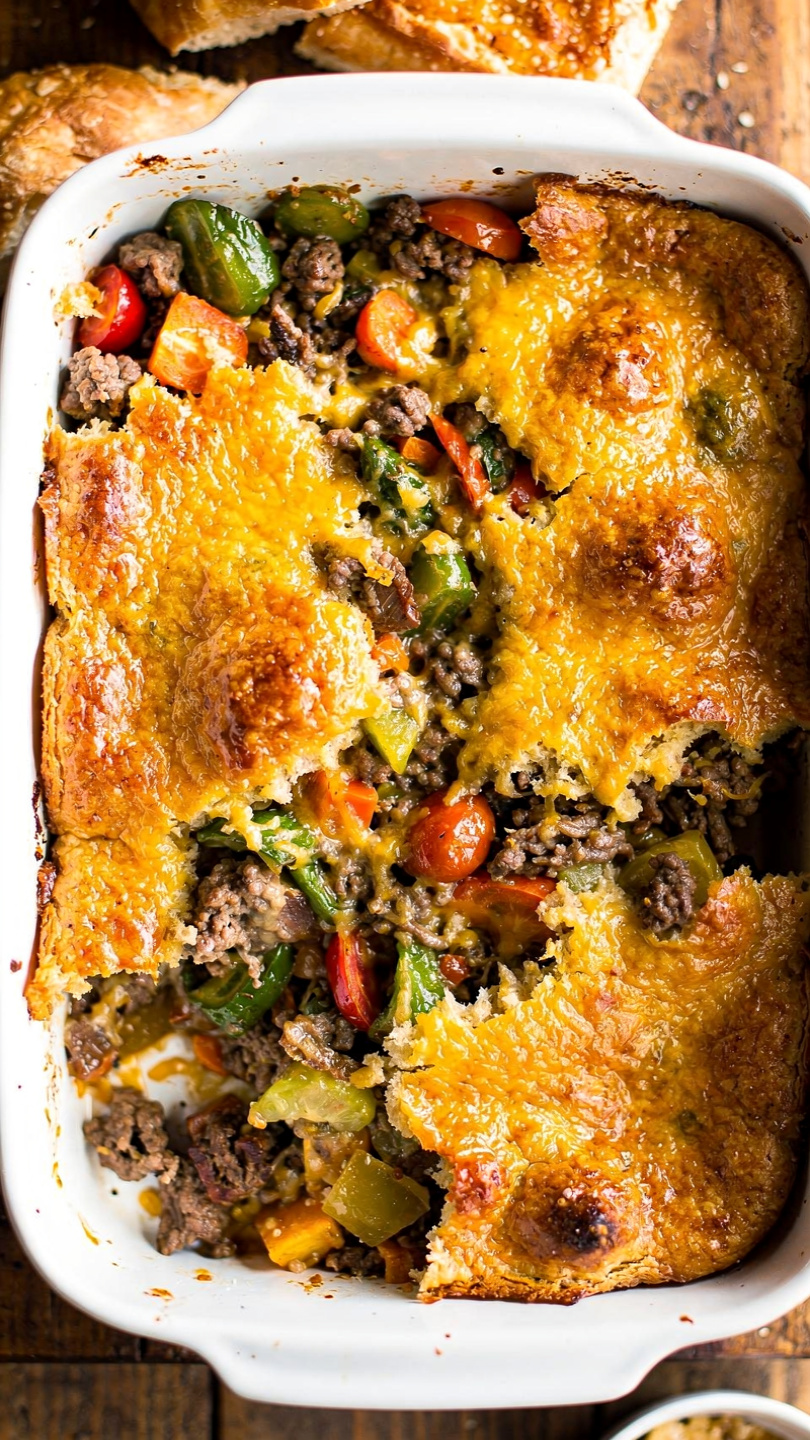
- Pull apart bread loaded with garlic butter or cheese, pulled straight from a cast iron skillet
- Pan de masa madre (Spanish sourdough), a rustic round loaf with a softer crust, popular across Latin America
Every discard bake is a starters recipe in disguise, using what would otherwise go to waste to create something genuinely delicious.
The Sourdough Baking Timeline at a Glance
Here is how a typical sourdough bread recipe flows across two days:
- Morning, Day 1: Feed your starter.
- Afternoon, Day 1: Mix dough (autolyse, then add salt).
- Afternoon to Evening, Day 1: Bulk ferment with stretch-and-fold sets.
- Evening, Day 1: Shape and place in the proofing basket.
- Overnight, Day 1: Cold proof in the refrigerator.
- Morning, Day 2: Preheat the Dutch oven and bake.
The cold overnight proof is not just convenient. It actually improves flavor and makes the dough easier to score. The longer, slower fermentation develops acids that taste far more complex than anything rushed at room temperature.
Tips for a Better Crust and Open Crumb
A few details separate a good loaf from a great one:
- Do not skip the autolyse. That 30-minute rest after mixing flour and water lets gluten develop without any effort and makes the dough dramatically easier to handle.
- Score boldly. A timid score seals shut in the oven. One confident slash at a 30-degree angle gives the dough room to expand dramatically.
- Bake it darker than you think. Most home bakers pull their loaves too early. A deep mahogany crust means a fully developed flavor and a crust that stays crispy for hours.
- Wait before slicing. The crumb is still setting as the loaf cools. Cut too early and it turns gummy. One hour minimum; two hours is better.
Chef's Tip: If your bread comes out dense, the most likely culprits are an underactive starter, under-fermented bulk dough, or a kitchen that was too cold. Check each variable before adjusting your recipe.
Ready to bake your best loaf yet? Here is the full step-by-step recipe:
Homemade Sourdough Bread: Master Recipe and Creative Ideas
Discover the ultimate homemade sourdough bread recipe plus creative ideas for your sourdough starter, from classic loaves to pull-apart bread and sourdough starter discard recipes.
Ingredients
- 1/2 cup active sourdough starter, fed and bubbly, at peak activity
- 3 1/2 cups bread flour, plus more for dusting
- 1/2 cup whole wheat flour, adds depth and nutrition
- 1 1/4 cups warm water, between 75 and 80 degrees F
- 1 1/2 tsp fine sea salt, dissolved in 1 tbsp of the measured water
- 1 tbsp olive oil, for greasing the proofing bowl
Instruction
In a large bowl, combine the active sourdough starter and warm water. Stir until loosely combined.
Add the bread flour and whole wheat flour to the bowl. Mix with your hands or a dough scraper until no dry flour remains. Cover and let rest for 30 minutes (autolyse).
Dissolve the sea salt in 1 tablespoon of warm water, then pour it over the dough. Squeeze and fold the dough repeatedly until the salt is fully incorporated, about 2 minutes.
Perform 4 sets of stretch-and-fold every 30 minutes over the next 2 hours: wet your hand, grab one side of the dough, stretch it up, and fold it over the center. Rotate the bowl and repeat all four sides. This is one set.
After the final fold, cover the bowl and allow the dough to bulk ferment at room temperature (70 to 75 degrees F) for an additional 2 to 4 hours, until the dough has grown by about 50 percent and looks airy and domed.
Turn the dough onto an unfloured surface. Gently shape it into a round or oval loaf using a bench scraper, building surface tension as you drag it toward you.
Place the shaped loaf seam-side up into a floured proofing basket (banneton) or a bowl lined with a well-floured kitchen towel. Cover and refrigerate for 8 to 16 hours for a cold proof.
When ready to bake, place a Dutch oven with its lid in the oven and preheat to 500 degrees F (260 degrees C) for at least 45 minutes.
Remove the dough from the refrigerator. Cut a piece of parchment paper and place it over the banneton. Flip the dough onto the parchment so the smooth side faces up.
Score the dough with a sharp lame or razor blade at a 30-degree angle, making one confident slash about 0.5 inches deep.
Carefully lower the dough (on the parchment) into the screaming-hot Dutch oven. Put the lid on and bake for 20 minutes.
Remove the lid and reduce the oven temperature to 450 degrees F (230 degrees C). Continue baking for 20 to 25 minutes until the crust is deep mahogany brown.
Lift the bread out using the parchment and transfer to a wire rack. Wait at least 1 hour before slicing so the crumb sets properly.
Equipment
- Large mixing bowl
- Bench scraper
- Proofing basket (banneton) or bowl with kitchen towel
- Dutch oven (at least 5-quart)
- Bread lame or sharp razor blade
- Parchment paper
- Wire cooling rack
- Kitchen scale (highly recommended)
- Instant-read thermometer
Notes
Creative Sourdough Bread Ideas to Try Next
Once you have the master loaf down, the real fun begins. Here are a few directions worth exploring:
- Seeded sourdough: Press sesame, sunflower, or poppy seeds onto the surface before the cold proof for a nutty, texturally exciting crust.
- Sourdough pull apart bread: Shape pieces of enriched sourdough dough into balls, nestle them in a buttered cast iron pan, and let them merge into one spectacular tear-and-share centerpiece.
- Whole grain sourdough: Swap up to 30 percent of the bread flour for rye or spelt for a denser, earthier loaf with a more complex sour note.
- Sourdough sandwich loaf: Add a touch of honey and butter to the dough, bake it in a loaf pan, and you have a softer crumb perfect for everyday slicing.
Sourdough baking is one of those skills that genuinely compounds. Each loaf teaches you something the last one could not. Start with this recipe, pay attention, and before long you will be the person your friends text when they want to know how to get that perfect crust.