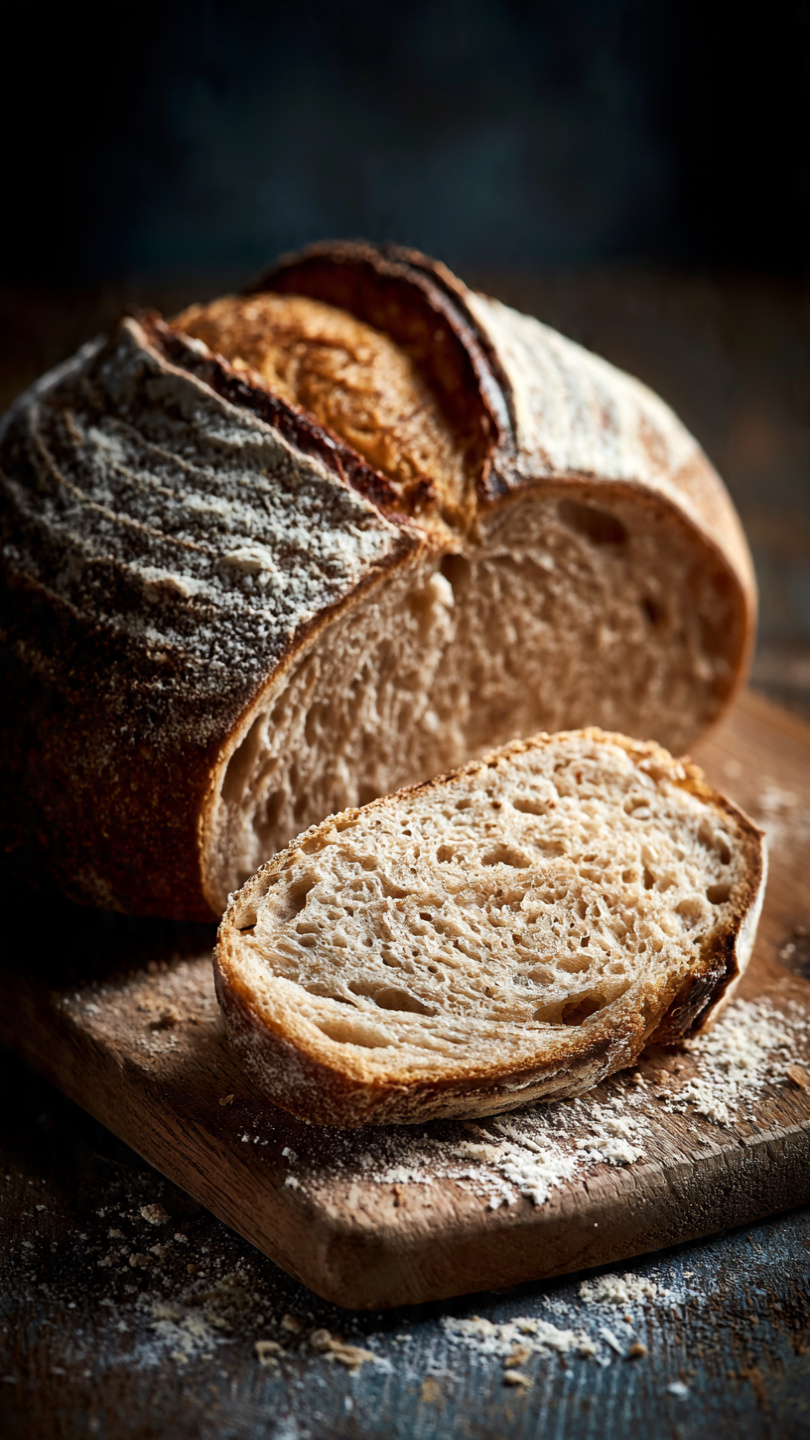
Whole Wheat Sourdough Bread
This whole wheat sourdough bread is tangy, hearty, and deeply satisfying, made with an overnight ferment for maximum flavor and a crisp, crackly crust you'll want to bake every single week.

The Whole Wheat Sourdough Bread Worth Baking Every Single Week
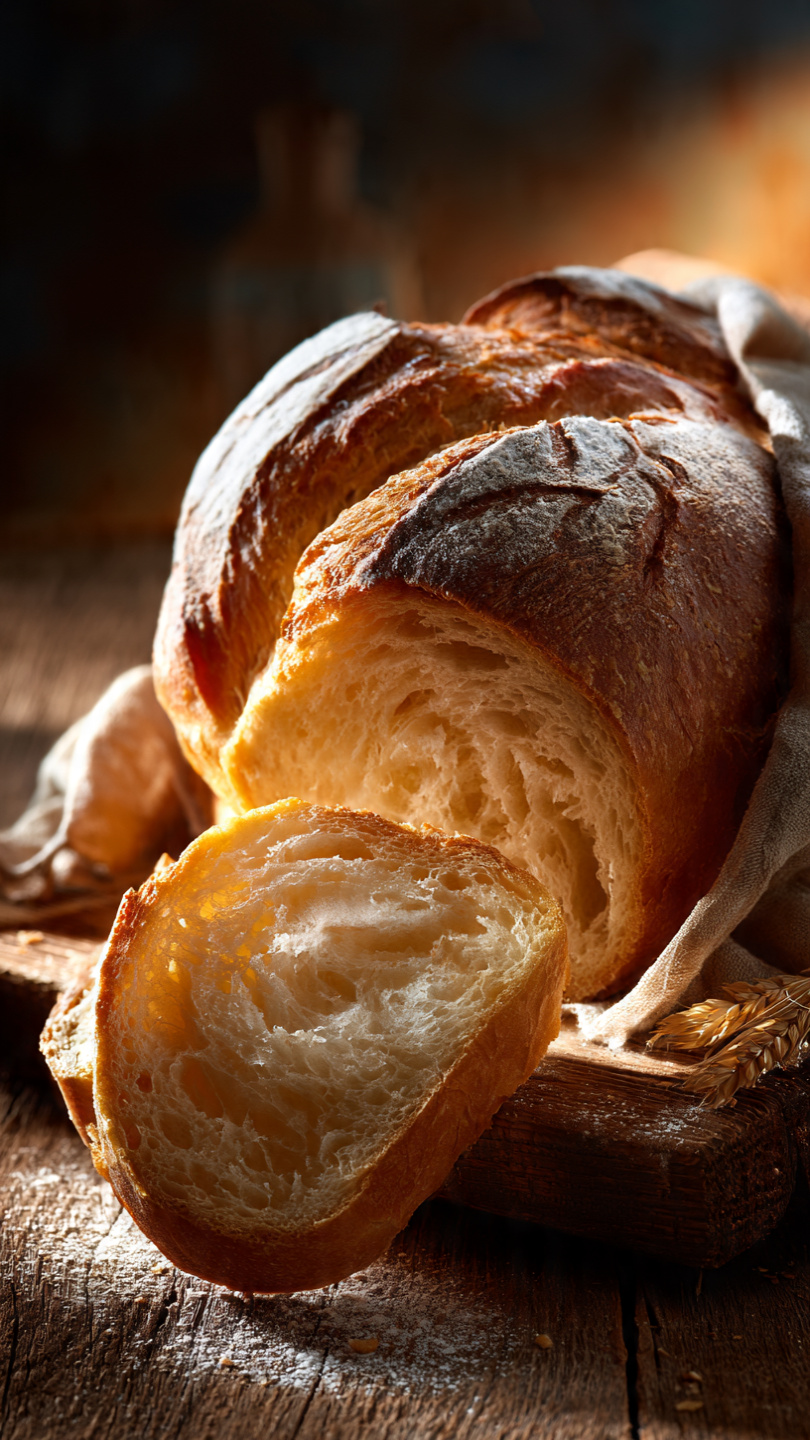
There is something deeply grounding about pulling a dark, crackly loaf of whole wheat sourdough out of a blazing hot Dutch oven on a weekend morning. The smell alone, that warm, slightly tangy perfume filling your kitchen, makes the whole process feel like it was made for slow mornings and strong coffee. But here is the secret most baking blogs skip: this is one of the most forgiving breads you can bake at home, especially with an overnight ferment doing most of the heavy lifting while you sleep.
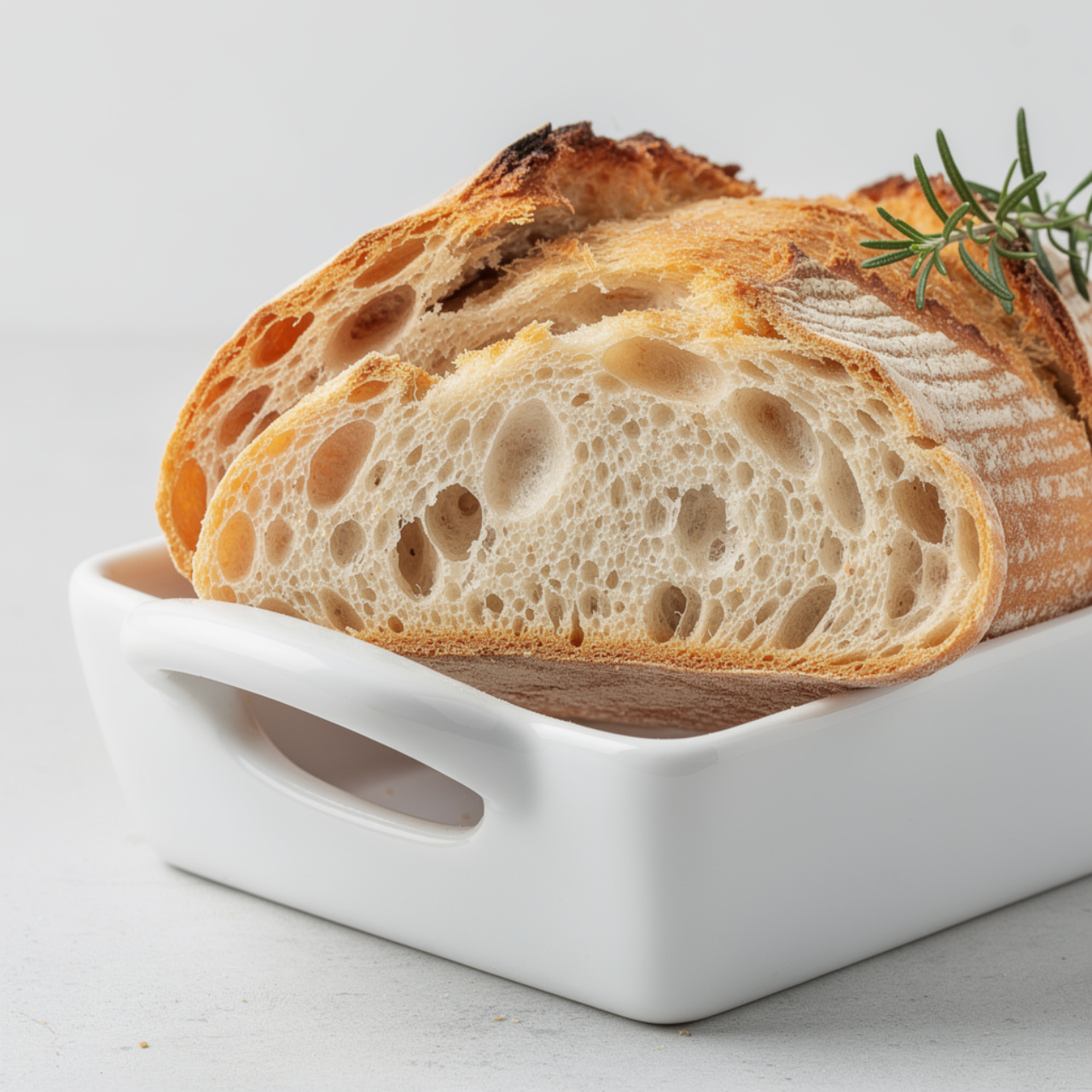
This is the recipe I come back to week after week. Whether you are looking for a beginner overnight sourdough bread to get your feet wet or you are already baking sourdough bread daily and want a reliable whole grain loaf, this recipe delivers. A rustic, open crumb, a crust that shatters when you slice it, and a nutty depth of flavor you simply cannot get from store-bought bread.
Why an Overnight Sourdough Bread Recipe Works So Well
The magic of any overnight sourdough bread recipe is time. When you refrigerate the shaped dough overnight, fermentation slows down without stopping. The wild yeast and bacteria in your starter keep working at a gentle pace, building the complex, tangy flavor that makes sourdough so distinct. A dough fermented for 10 to 14 hours in the cold will taste dramatically better than one rushed through in a few hours at room temperature.
This method also makes baking sourdough bread weekly genuinely realistic. Mix the dough on a Tuesday evening. Refrigerate overnight. Bake Wednesday morning before work or after the kids are at school. That is the whole schedule.
Baker's Note: The key to easy overnight sourdough is making sure your starter is at peak activity before you mix the dough. Feed it 4 to 8 hours before you start and look for it to be bubbly, domed on top, and doubled in size. A sluggish starter means a slow, under-risen loaf.
Whole Wheat Flour Makes All the Difference
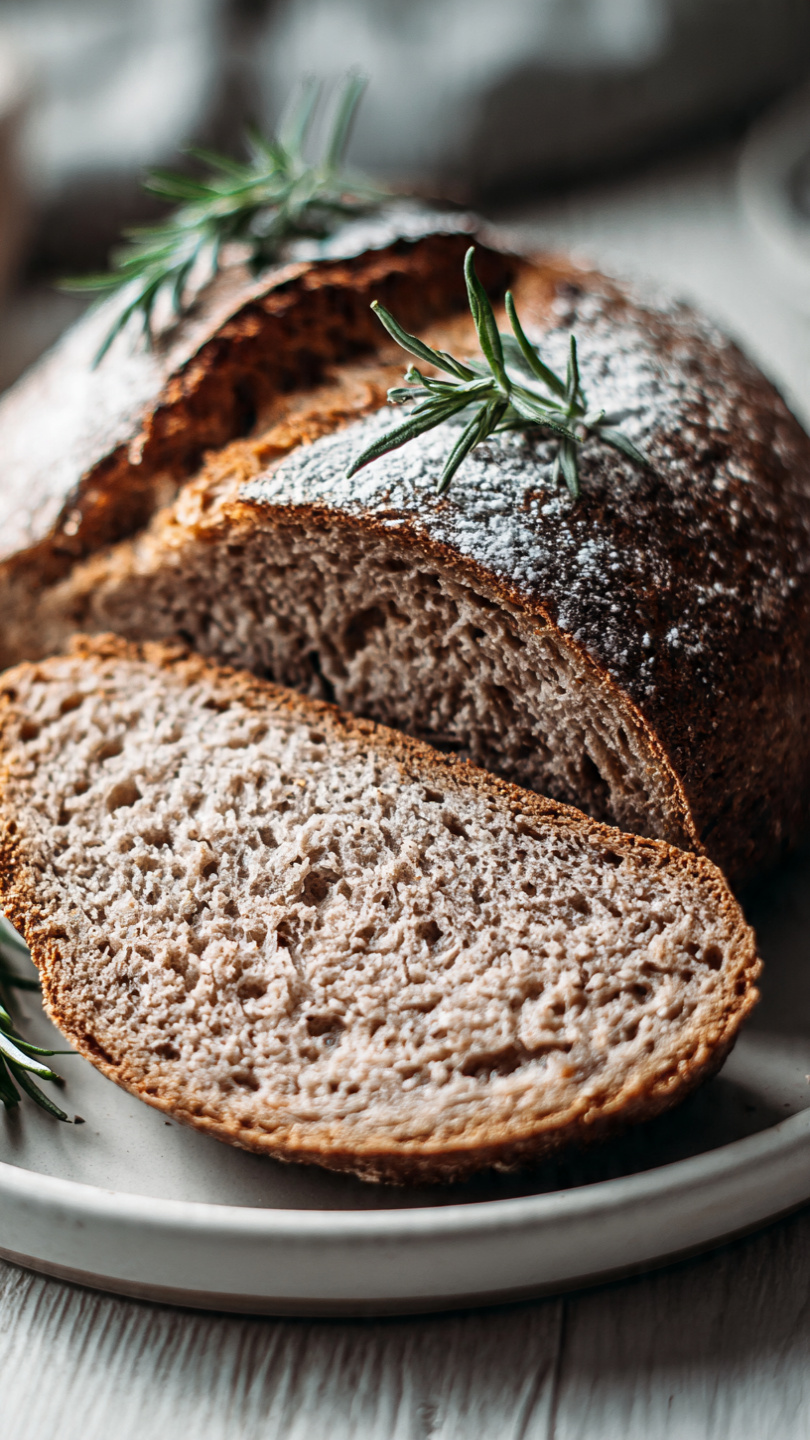
Whole wheat flour brings fiber, minerals, and a toasty, earthy flavor that white sourdough just cannot replicate. The bran in whole wheat also feeds your starter's bacteria particularly well, which means you often get a more active ferment with a more complex tang. The trade-off is that 100 percent whole wheat loaves can be denser, which is why this recipe uses a blend of whole wheat and bread flour for the best of both worlds.
Using quality ingredients and the right tools matters enormously for sourdough. A proper proofing basket, a sharp lame, and a heavy Dutch oven are not just nice-to-haves. They directly affect the shape, crust, and spring of your final loaf.
How to Shape and Score Your Loaf
Shaping is the step that intimidates most beginners, but it is also one of the most satisfying parts of the process. For this easy overnight sourdough bread, you are aiming to build surface tension in the dough so it holds its shape during baking rather than spreading flat.
- Boule: A round shape, great for beginners and most Dutch ovens.
- Batard: An oval shape with a slightly more open crumb structure.
Once shaped and placed in your banneton, score the top with a confident single slash at a 45-degree angle. Scoring is not just decorative. It controls where the bread expands in the oven, preventing it from bursting randomly at the sides.
Pro Tip: Flour your banneton generously with a mix of rice flour and whole wheat flour. Rice flour in particular prevents sticking far better than regular flour and will not burn onto your crust.
Ready to Bake? Here Is the Full Recipe
Whether this is your first loaf or your fiftieth, the step-by-step recipe below covers everything from mixing your dough to pulling a beautifully baked loaf off the wire rack. Follow each step carefully the first time around, then start experimenting with fermentation times and hydration levels once you find your rhythm.
Whole Wheat Sourdough Bread
This whole wheat sourdough bread is tangy, hearty, and deeply satisfying, made with an overnight ferment for maximum flavor and a crisp, crackly crust you'll want to bake every single week.
Ingredients
- 1/2 cup active sourdough starter, fed and bubbly, at peak activity
- 2 cups whole wheat flour, stone-ground preferred
- 1 1/2 cups bread flour, plus more for dusting
- 1 1/4 cups lukewarm water, around 75 to 80 degrees F
- 1 1/2 tsp fine sea salt
- 1 tbsp honey, optional, adds a subtle sweetness and helps browning
Instruction
Mix the starter, water, and honey in a large bowl until combined. Add both flours and stir until a shaggy dough forms. Cover and let rest for 30 minutes (autolyse).
Sprinkle the salt over the dough and work it in with wet hands. Squeeze and fold the dough until the salt is fully incorporated.
Perform 4 sets of stretch-and-folds over the next 2 hours, spaced 30 minutes apart. After each set, cover the bowl and let the dough rest.
Cover the bowl tightly with plastic wrap or a shower cap and refrigerate overnight, or for 10 to 14 hours, for a slow cold ferment.
The next morning, remove the dough from the refrigerator. Lightly flour your work surface and turn the dough out. Shape it into a tight boule or batard by folding the edges toward the center, then flipping it seam-side down.
Place the shaped dough seam-side up into a well-floured proofing basket (banneton). Cover loosely and let proof at room temperature for 1 to 2 hours, or until slightly puffy.
About 45 minutes before baking, place a Dutch oven with its lid into the oven and preheat to 500 degrees F (260 degrees C).
Cut a sheet of parchment paper and place it over the banneton. Flip the dough onto the parchment so the seam side is down. Score the top quickly with a sharp lame or razor blade at a 30 to 45 degree angle.
Carefully lower the dough (on the parchment) into the screaming hot Dutch oven. Cover with the lid and bake for 20 minutes.
Remove the lid and reduce the oven temperature to 450 degrees F (230 degrees C). Bake for an additional 20 to 25 minutes until the crust is deep golden brown and the loaf sounds hollow when tapped on the bottom.
Transfer the loaf to a wire rack and let it cool for at least 1 hour before slicing. Cutting too early will make the interior gummy.
Equipment
- Large mixing bowl
- Dutch oven (5 to 7 quart)
- Banneton proofing basket
- Bench scraper
- Lame or sharp razor blade
- Parchment paper
- Wire cooling rack
- Kitchen scale (recommended)
Notes
Serving and Storing Your Sourdough
Let the loaf cool for a full hour before slicing. The interior is still setting as it cools, and cutting into a warm loaf will give you a gummy, underbaked-looking crumb even if it is perfectly baked. Patience here is genuinely rewarded.
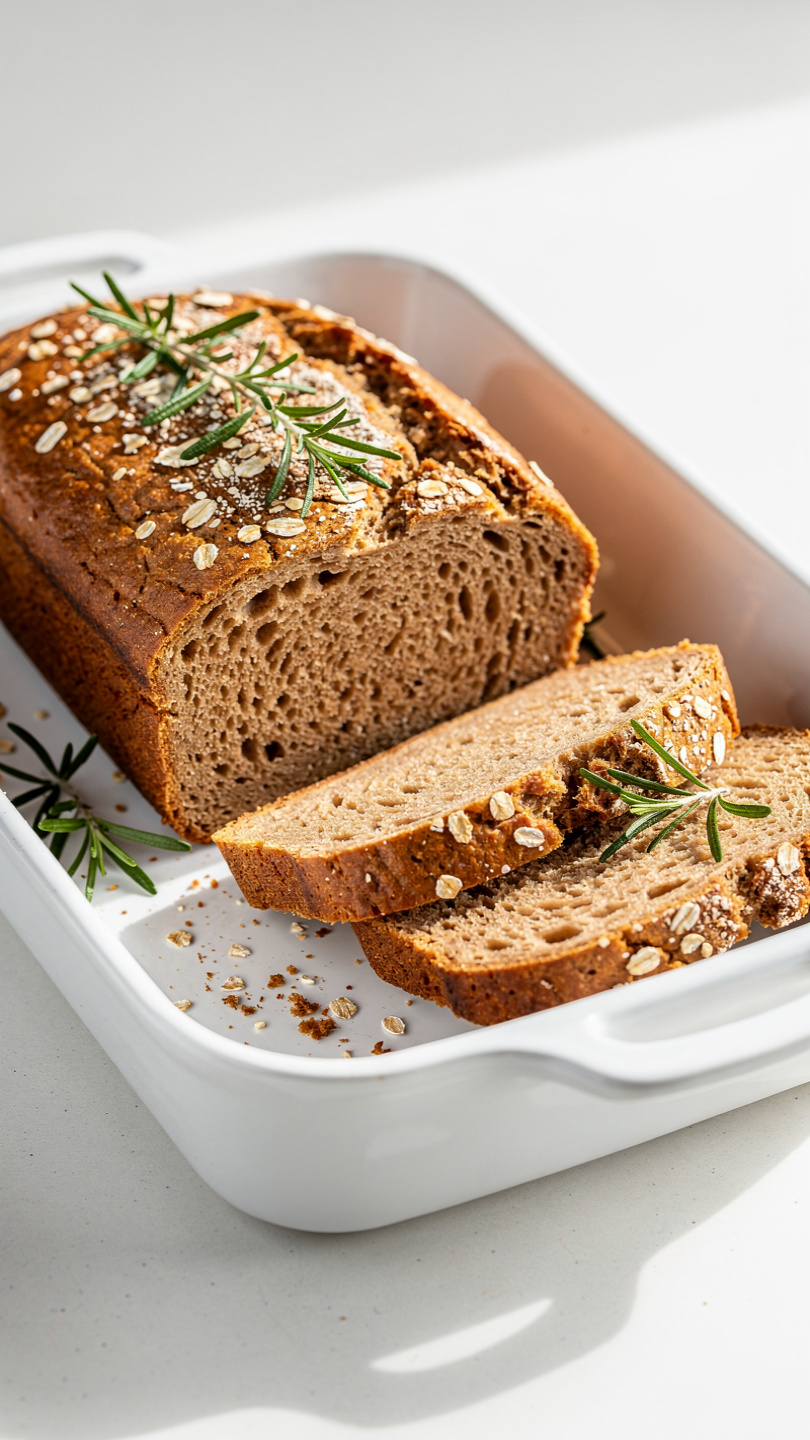
For serving, thick slices with salted butter are hard to beat. This whole wheat sourdough is also excellent toasted with avocado, used for a hearty sandwich, or served alongside a bowl of soup.
Storage tips at a glance:
- Room temperature, cut-side down: up to 3 days
- Wrapped and frozen in slices: up to 3 months
- Reheat directly in a 375 degrees F oven for 10 to 15 minutes to revive the crust
Once you get comfortable baking this loaf, try adjusting the whole wheat ratio, playing with longer cold ferments for a more sour flavor, or adding seeds like sesame or sunflower to the crust before baking. This recipe is a foundation. The variations are endless.